
28 Types of Websites to Inspire You [+ Real-Life Examples] by Hubspot

There are so many types of websites out there, and I know firsthand how hard it is to decide which kind you should build. When I made a website for my freelance writing business, I knew I needed an online presence to showcase my work and attract clients, but the number of options was overwhelming.
To get unstuck, I perused other successful sites for inspiration. That helped guide my own design. Now, having gone through this process myself, I want to share what I've learned.
Build your website with HubSpot's Free CMS SoftwareIn this article, I'll show you 28 common types of websites. I'll provide plenty of examples that highlight the distinctions in site design and execution, drawing from my own experience where relevant.
- Business Websites
- Ecommerce Websites
- Blogging Websites
- Real Estate Websites
- Food and Recipe Websites
- Entertainment Websites
- Wiki Websites
- News Website
- Government Websites
- Nonprofit Organization Website
- Coupon Websites
- Directory Websites
- Booking Websites
- Membership Websites
- Wedding Websites
- Portfolio Websites
- Resume Websites
- Educational Websites
- Job Board Websites
- Forums
- Knowledge Base
- Video Streaming Websites
- Memorial Websites
- Review Sites
- Event Websites
- Search Engines
- Design Inspiration Sites
- Comparison Sites
1. Business Websites
While business websites come in many sizes and shapes, they all aim to present the brand's products and services to visitors in a way that acquires new customers, clients, and/or partners.
Usually, business websites include descriptions of their offerings and a way to either purchase through the website or contact the team to initiate a sale or partnership.
From there, it's up to the business to decide what to include on its site — some sites are dense, while others are stripped down with just one or a few pages. It's all about what best aligns with your branding and what your target market wants to know.
Let's look at two business sites that show this contrast. Modern Health is a personalized mental healthcare delivery service with a website that explains the app's purpose, value, features, and plan options for employers. It accomplishes this with a mix of copy, videos, testimonials, infographics, and blog posts.
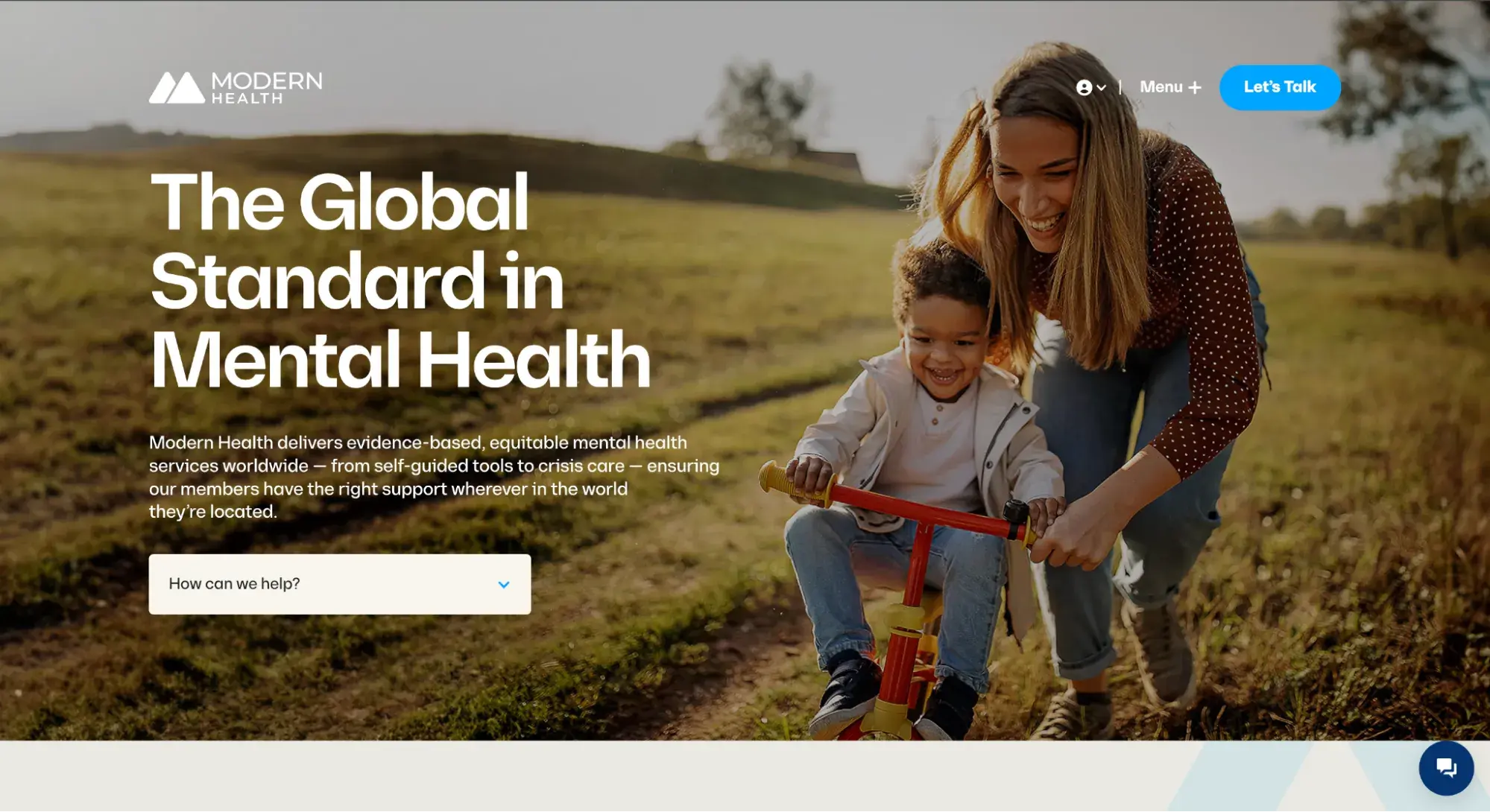
What I like: The website communicates the app's purpose and value through a mix of copy, videos, testimonials, and graphics. I appreciate how it draws attention to its mission around mental health — and the strong imagery draws me in to learn more.
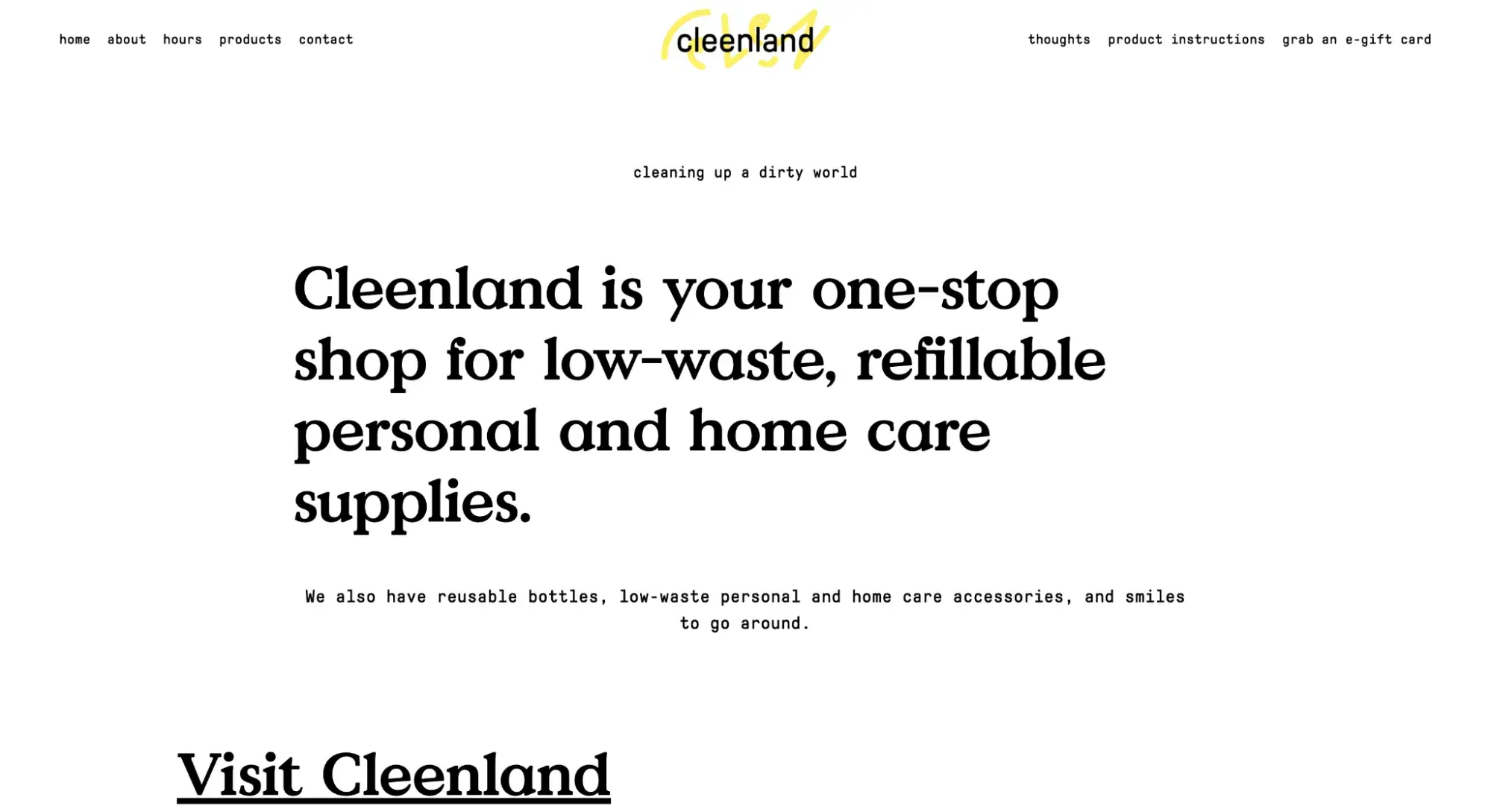
In contrast to Modern Health's content-rich site, the website for Cambridge-based low-waste shop Cleenland has no frills. The layout and design choices are simple to give prospective customers all the information they need when planning a visit.
What I like: The simple layout aligns perfectly with the company's mission of reducing waste. I'm impressed by how they use white space to highlight the essential information customers need when planning a visit.
2. Ecommerce Websites
Ecommerce websites sell products, be they physical goods or digital content. Visitors can browse the website's listings, read product details, and purchase directly from the website.
Ecommerce websites are focused entirely on retail, but business websites, blogs, and other website types may also host an online store for selling products or merchandise.
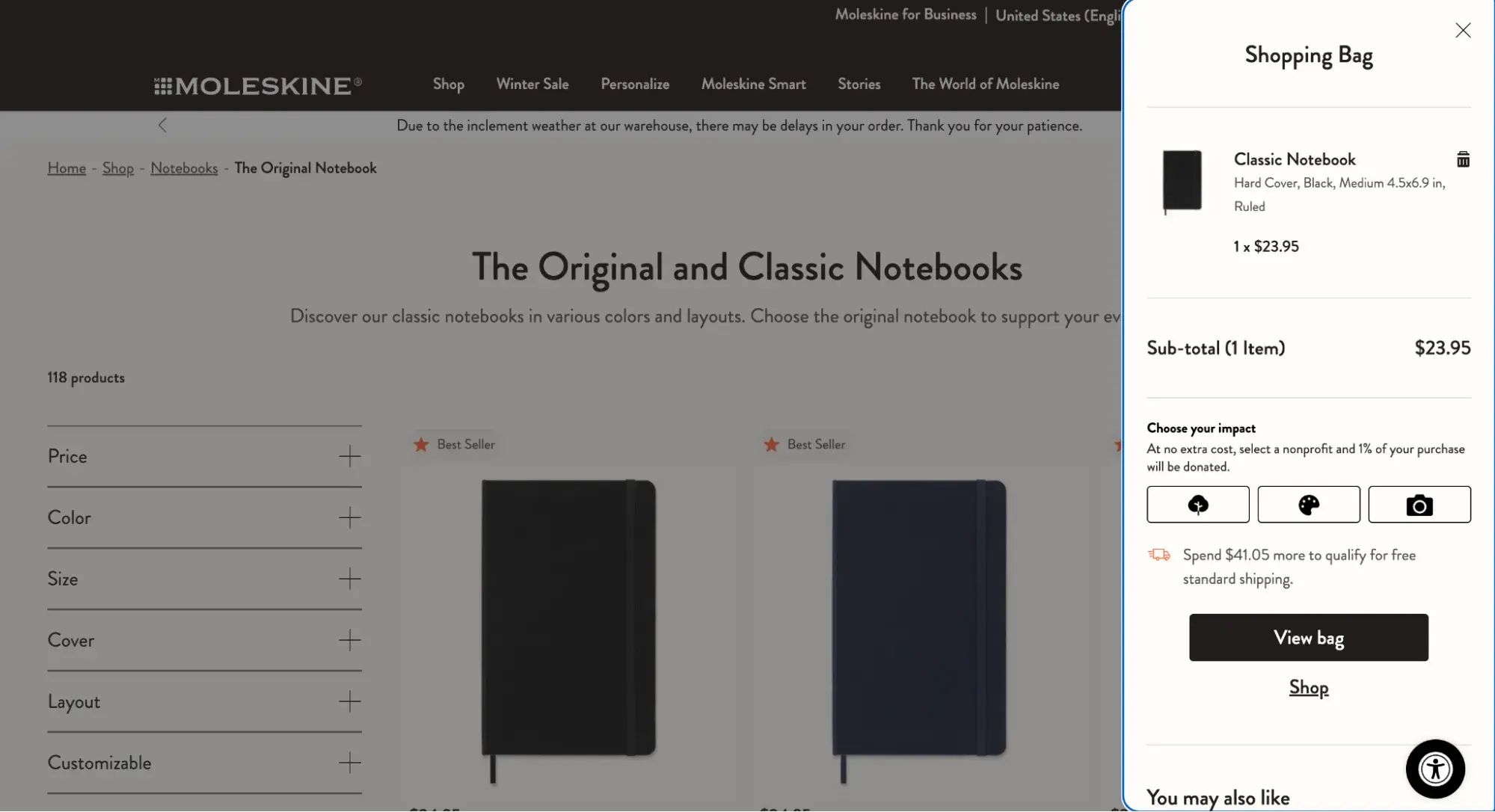
Ecommerce sites sell all sorts of things, but most stick to a familiar model — products are categorized and presented in a list format, and clicking an item brings you to a dedicated product page. You can usually search for products as well via a search bar.
On each product page, you can add the item to a virtual "shopping cart" or "shopping bag." At any point, users may enter the checkout process, in which they enter shipping and payment information to complete a purchase. Some website builders and hosting platforms even have different ecommerce specialties.
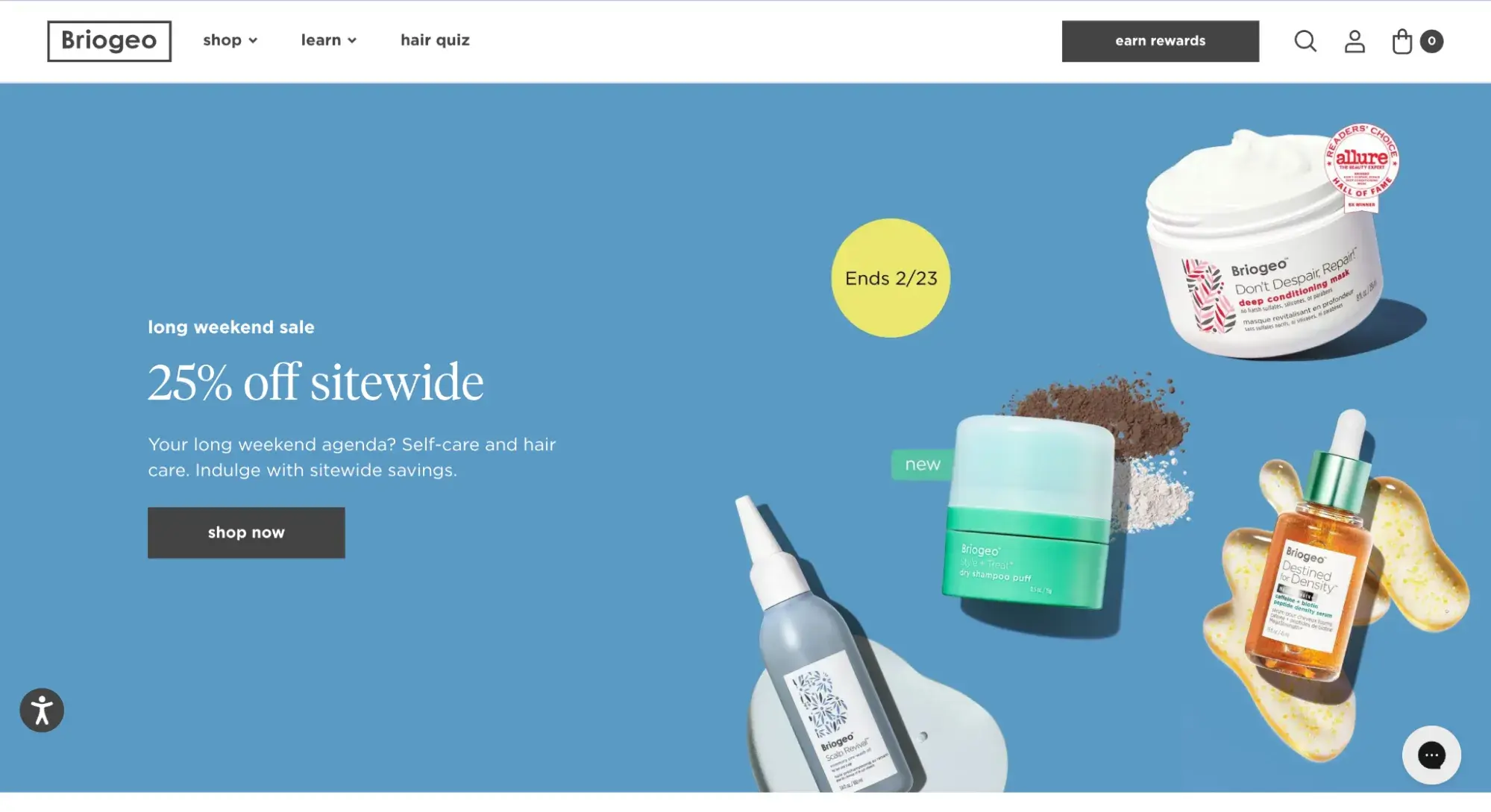
For an example of a visually engaging, informative ecommerce site, check out Briogeo Hair Products. Its pages capture attention with a rich color palette and vibrant photography to highlight its different products.
What I like: This website boasts an exceptional design that seamlessly combines captivating visuals, intuitive navigation, and compelling storytelling to create an immersive and user-friendly experience. I also appreciate the customer testimonials, which help to build social proof.
Because ecommerce websites are often large, complex, and require infrastructure to securely handle payments and shipping, ecommerce platforms are a very popular go-to for new businesses launching online stores.
Shopify is the leading option — for a monthly fee, it handles everything from site design to hosting to payment processing. Shopify also integrates with HubSpot to level-up your online marketing, sales, customer service, and analytics capabilities.
3. Blogging Websites
Blogging sites are difficult to define since their use has evolved so much over time. The blog (short for "weblog") format began as a way for anyone to publish casual, long-form written content about their interests.
Since then, blogging has been adopted by entrepreneurs and businesses to mark their presence online. Today, you can consider a blog to be any website that publishes written content and whose articles (or blog "posts") are listed in order of most to least recent.
If you're an online business, a well-written, informative blog can be a major asset to your marketing strategy. It brings traffic to your site, establishes authority on search engines, converts visitors to leads, and eventually convinces those leads to take the next step to become customers. A blog that's relevant to your business niche proves that you're knowledgeable and committed to being the best in your industry.
To help your blog content get seen, consider using HubSpot's Content Marketing Software, which can help you plan, create, and optimize your content for better visibility and engagement.
If you need an example of business blogging in action, you're looking at one. HubSpot writes four popular educational blogs — Marketing, Sales, Service, and Website — each filled with articles to help businesses grow better.
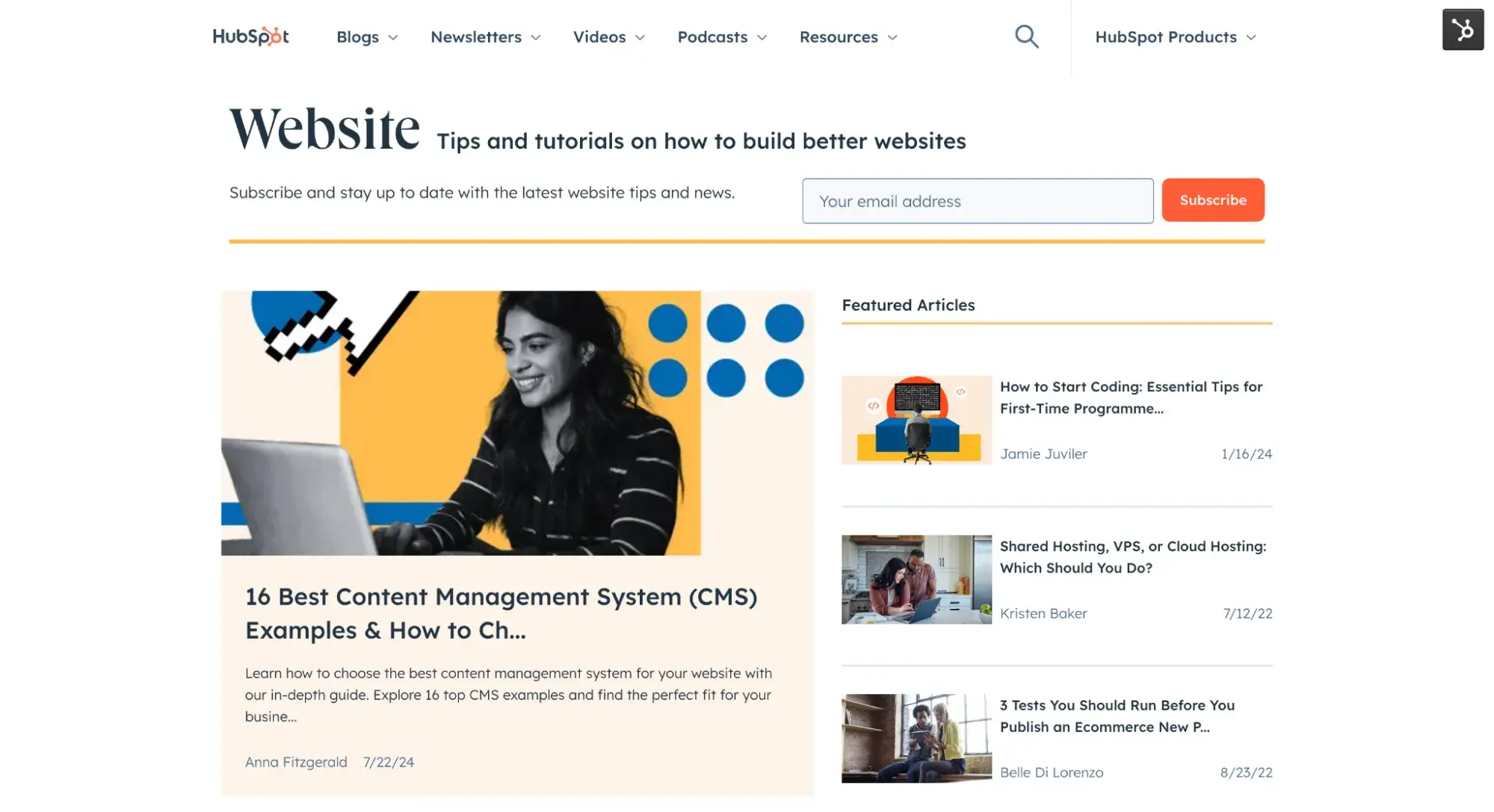
What we like: Featured posts stay "sticky" on the top of the blog, letting HubSpot highlight its most important or popular posts. I also love the email subscription form that's at the top of the page, allowing HubSpot to grow its list.
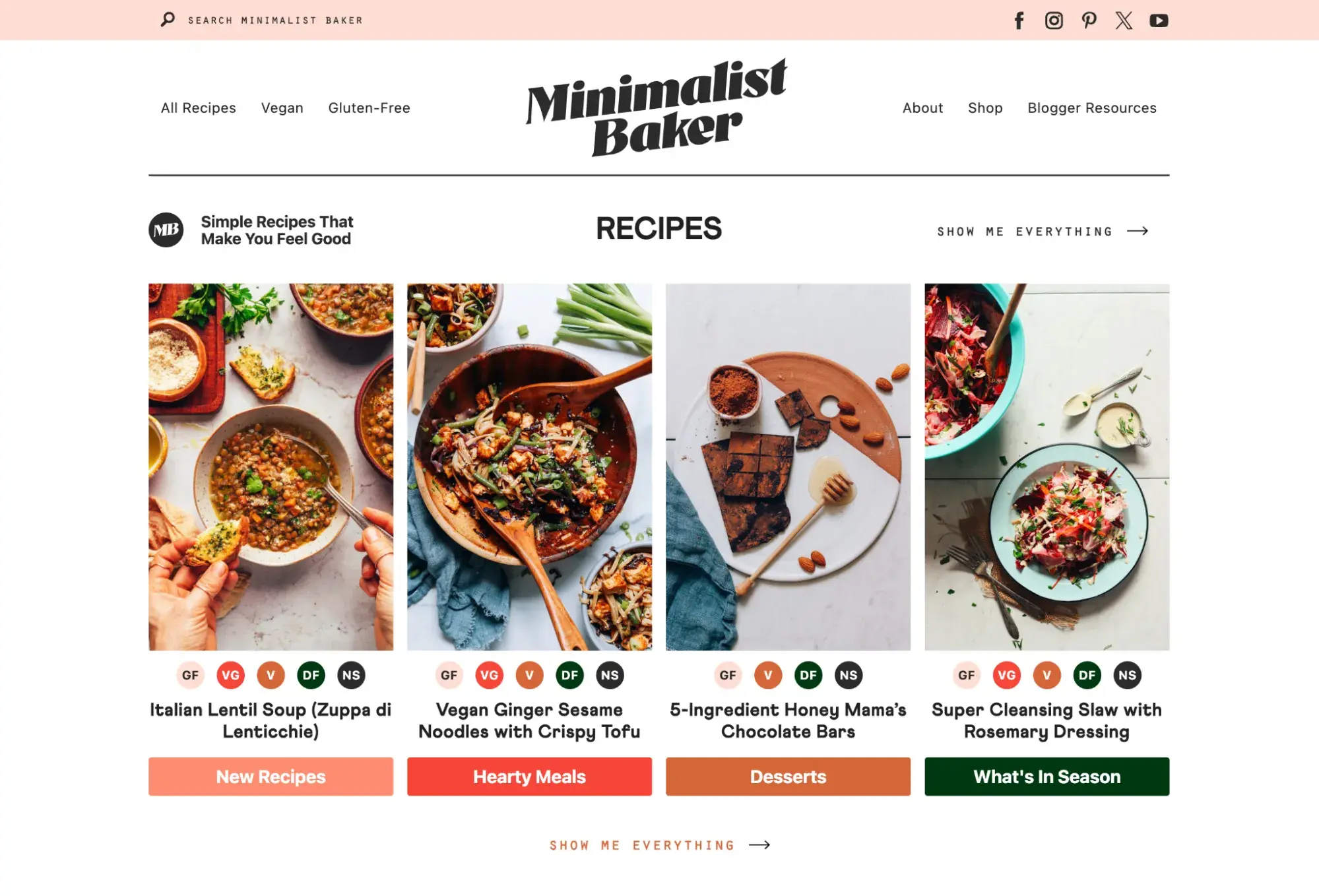
Minimalist Baker takes a different approach to its blogging website, with four columns of images filling the hero section, each a clickable blog post. This works well for food, travel, and other blogs that are highly visual.
What I like: Minimalist Baker makes navigation easy with clickable recipe icons so readers can easily see if the recipe fits their dietary needs and find more recipes by clicking the icons.
4. Real Estate Websites
Real estate websites are online platforms that list properties for sale or rent, making it easy to search for a dream home or investment property.
ZillowMy go-to site is Zillow. It lets me window shop for houses from my couch, see tons of photos, get all the important details like price and square footage, and even take virtual tours of some places.
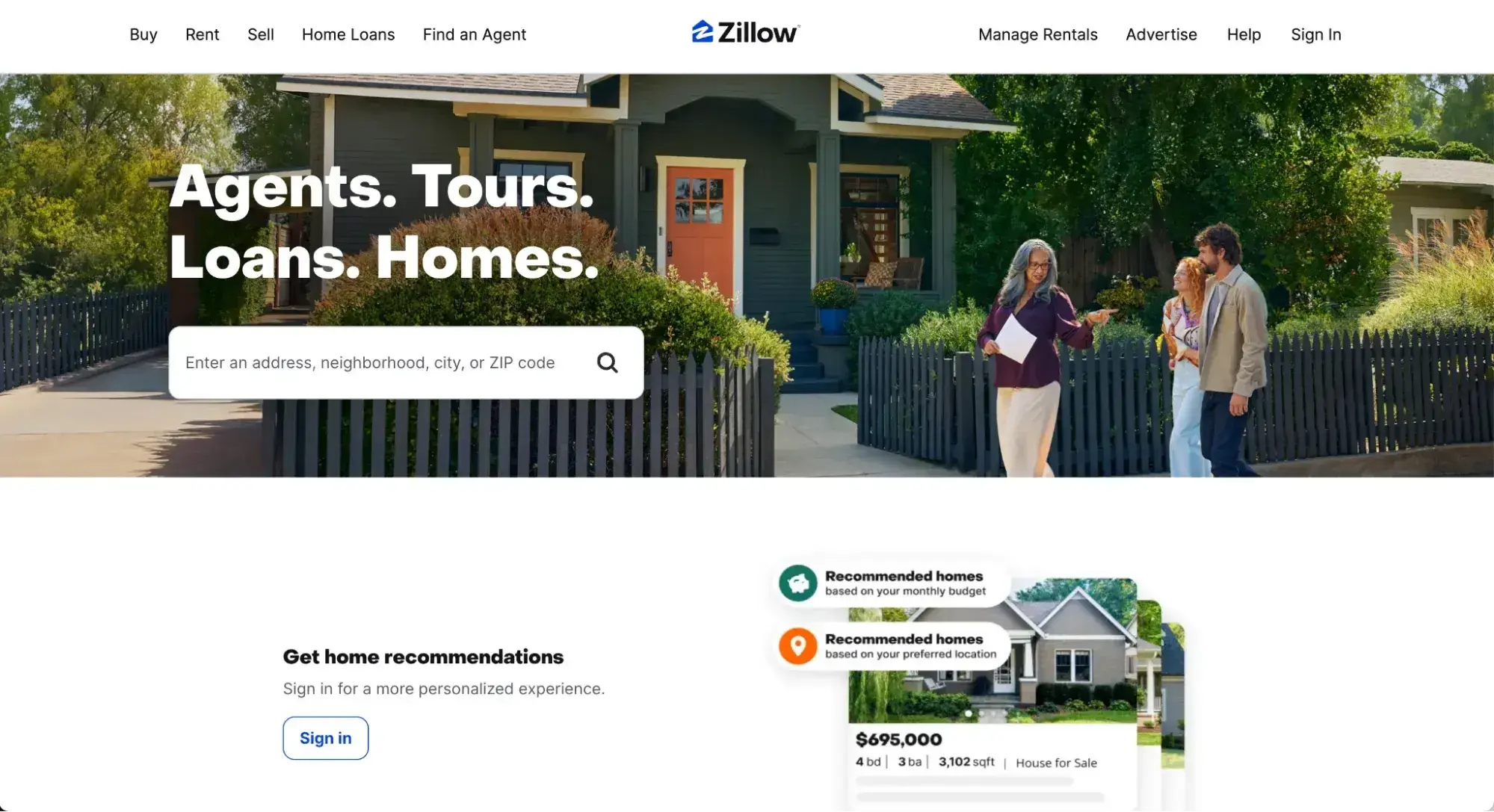
What I like: The map feature is super handy. You can zoom in on neighborhoods you like and see what's available. Plus, it has this cool "estimate" tool that gives you a rough idea of what houses are worth.
The filters are a lifesaver, too. Want a three-bedroom place with a pool under a certain price? Boom, you can set that up in seconds.
5. Food and Recipe Websites
Love to cook but aren't exactly a pro chef? I'm in the same boat and food and recipe websites are my kitchen heroes. They're like having a bunch of super-skilled cooking buddies right at your fingertips.
A recipe site can be a type of blog (like Minimalist Baker, which we looked at earlier). But not all blogs are recipe sites. The defining characteristics of a recipe site include:
- Ratings or reviews of the recipe
- A "recipe card" that lists the ingredients, cook time, oven temperature, steps, and more
My absolute favorite is AllRecipes. It has recipes for pretty much anything you can think of.
Craving grandma's apple pie but don't have her secret recipe? They've probably got something close.
Allrecipes
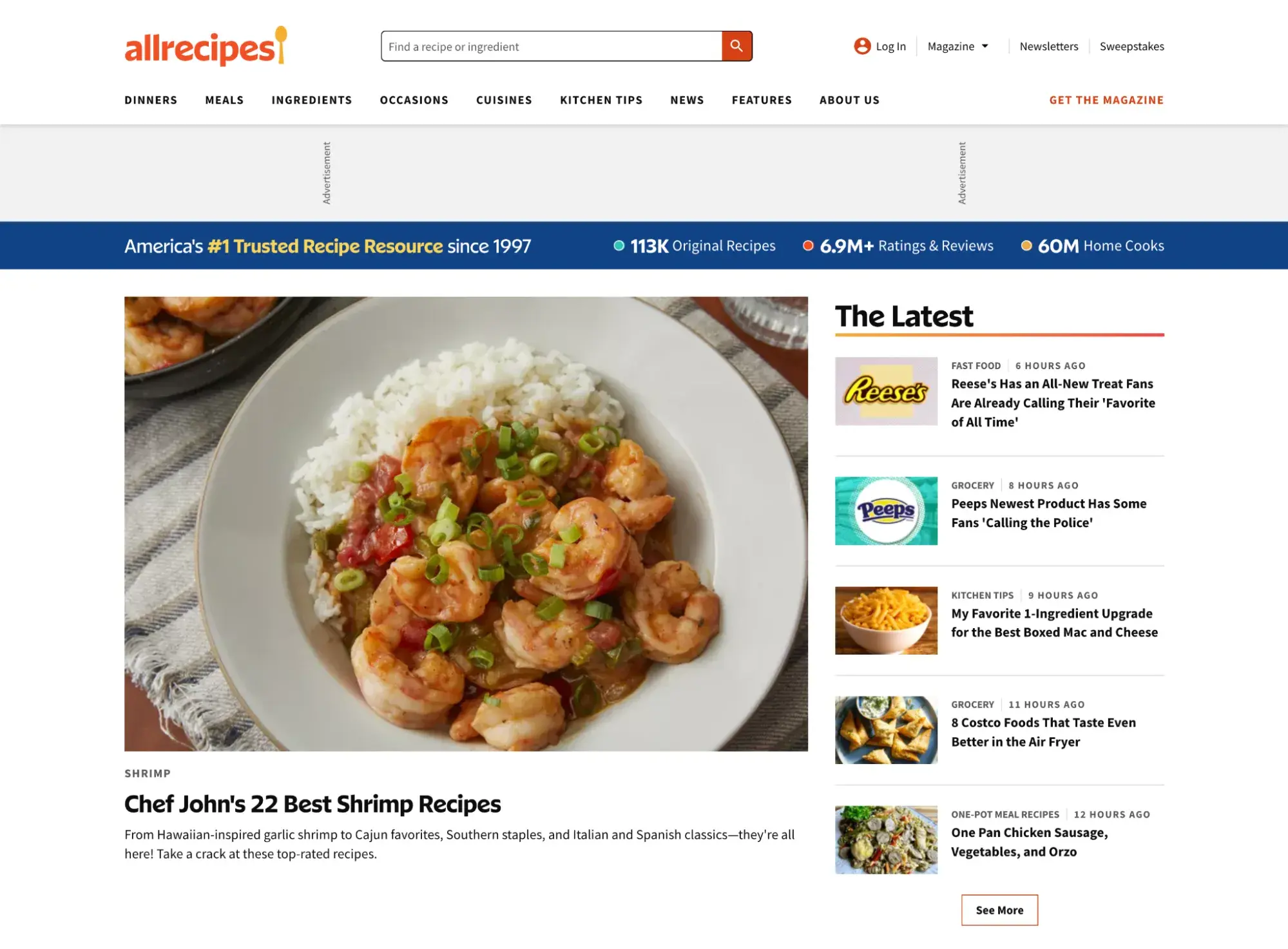
What I like: There are so many features that make finding recipes convenient! The user reviews are goldmines. Real people sharing their tweaks and tips? That's priceless. It's saved me from more than a few cooking disasters. The how-to videos are super helpful for tricky techniques. No more guessing what "fold gently" actually means.
Entertainment websites aim to, well, entertain. Like blogs, the content on these websites takes the form of articles. However, there's usually a larger team behind these websites to produce content in larger volumes.
Take Reductress, a satirical news website targeted at women that pokes fun at magazines and media.
Reductress
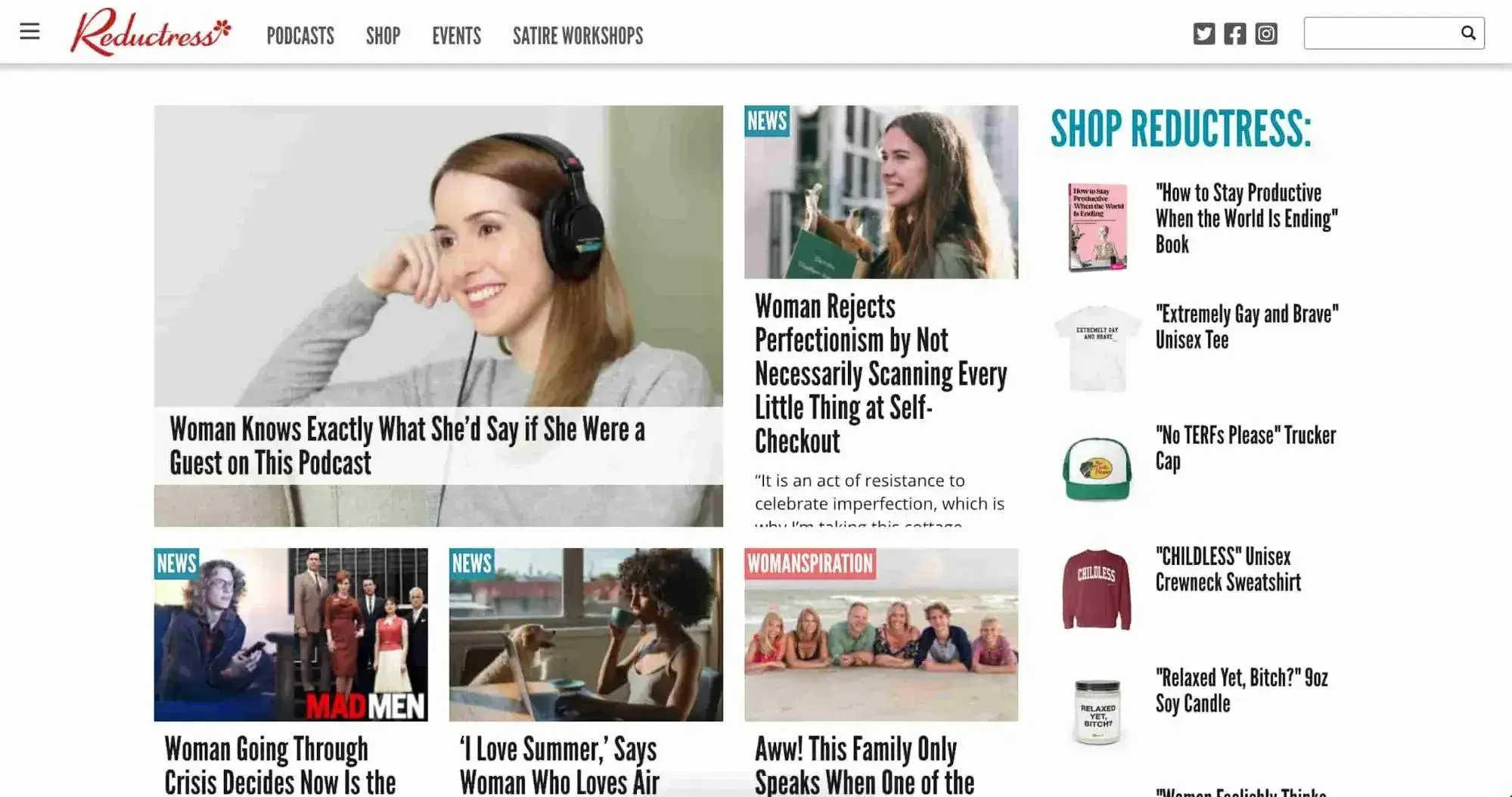
What I like: The site's design itself is modeled after the news outlets it parodies, right down to categorizing posts by topic, and pairs hilarious titles and subtitles with stock thumbnails to encourage clicks.
Pitchfork
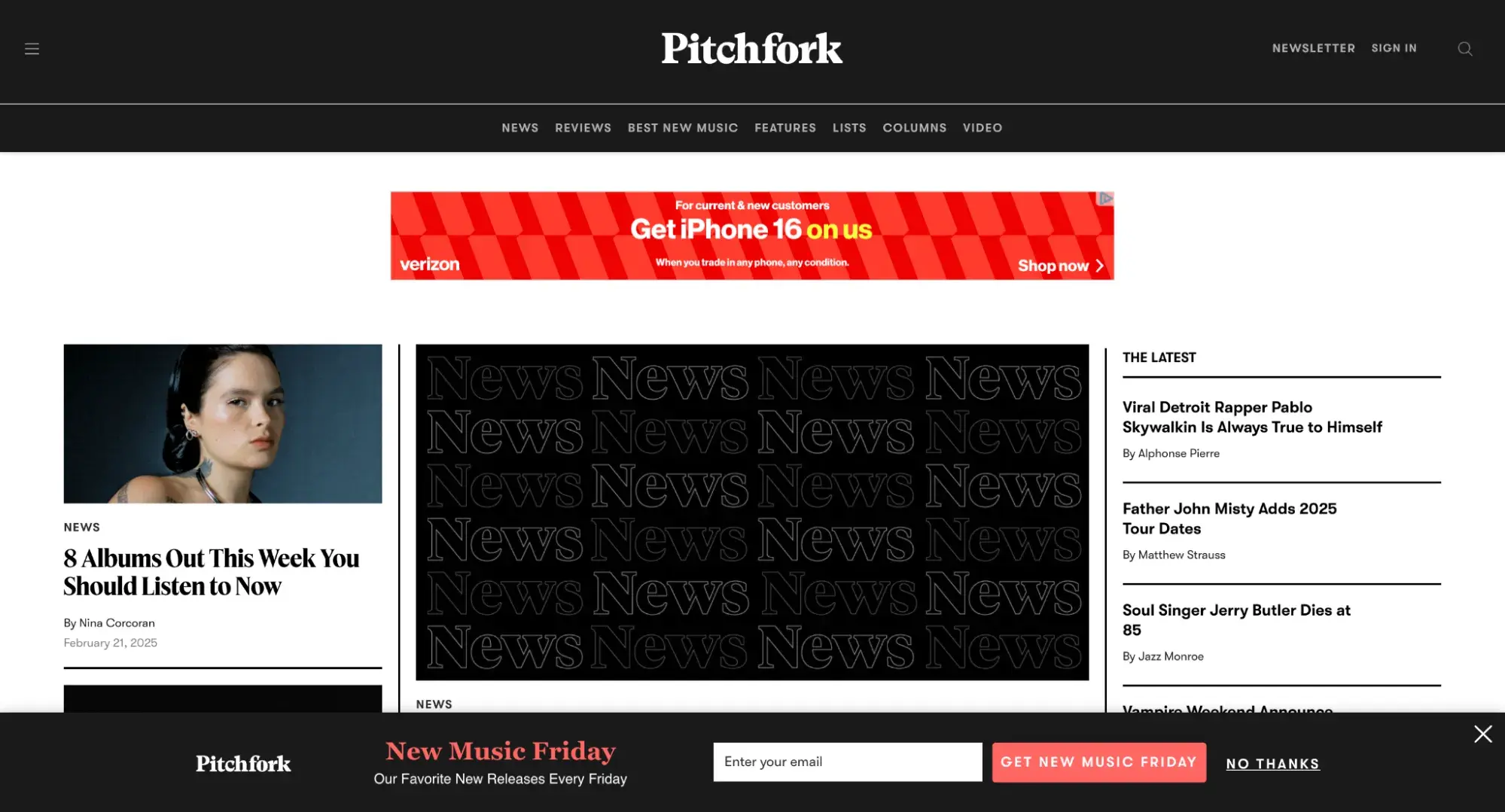
I also like Pitchfork, a music review site that has been around since 1995.
What I like: Pitchfork has a cohesive, elegant front-end design, a sharp color scheme throughout, and clear navigation for everything the publication offers, including news and reviews.
Entertainment websites monetize primarily with display ads, sponsored content, and affiliate links, though they may also sell merchandise through an online store to supplement these forms of income.
7. Wiki Websites
Ever wondered how so much information ends up online? Wikis are often the answer.
Wiki websites are collaborative platforms that allow users to create, edit, and share knowledge collectively.
Here are two examples: Wikipedia and Fandom.
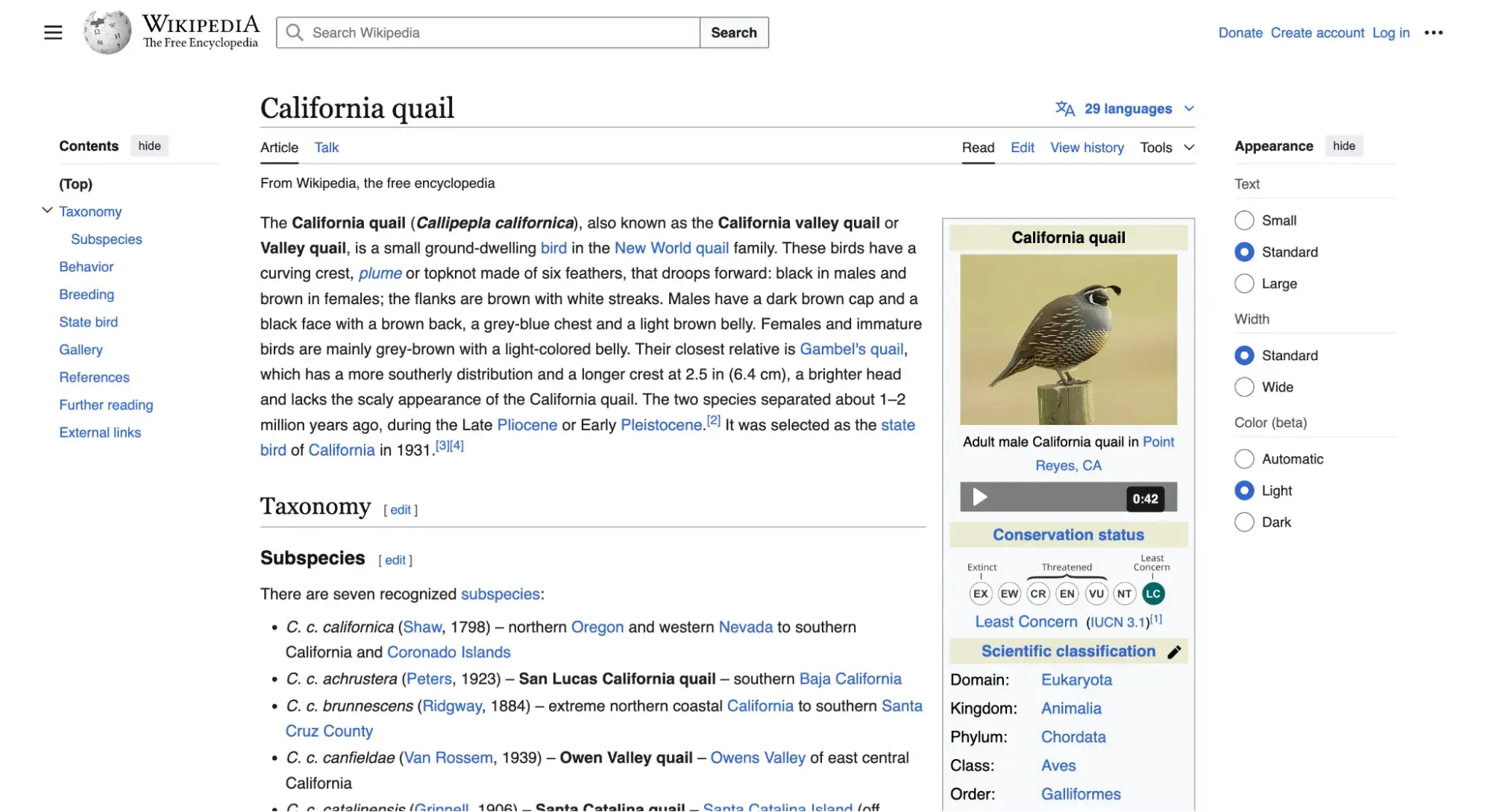
WikipediaThe free online encyclopedia Wikipedia is probably the most well-known wiki in the world.
Where else can you find information on topics ranging from quantum physics to the California quail? It's a treasure trove of knowledge that's constantly updated by volunteers worldwide.
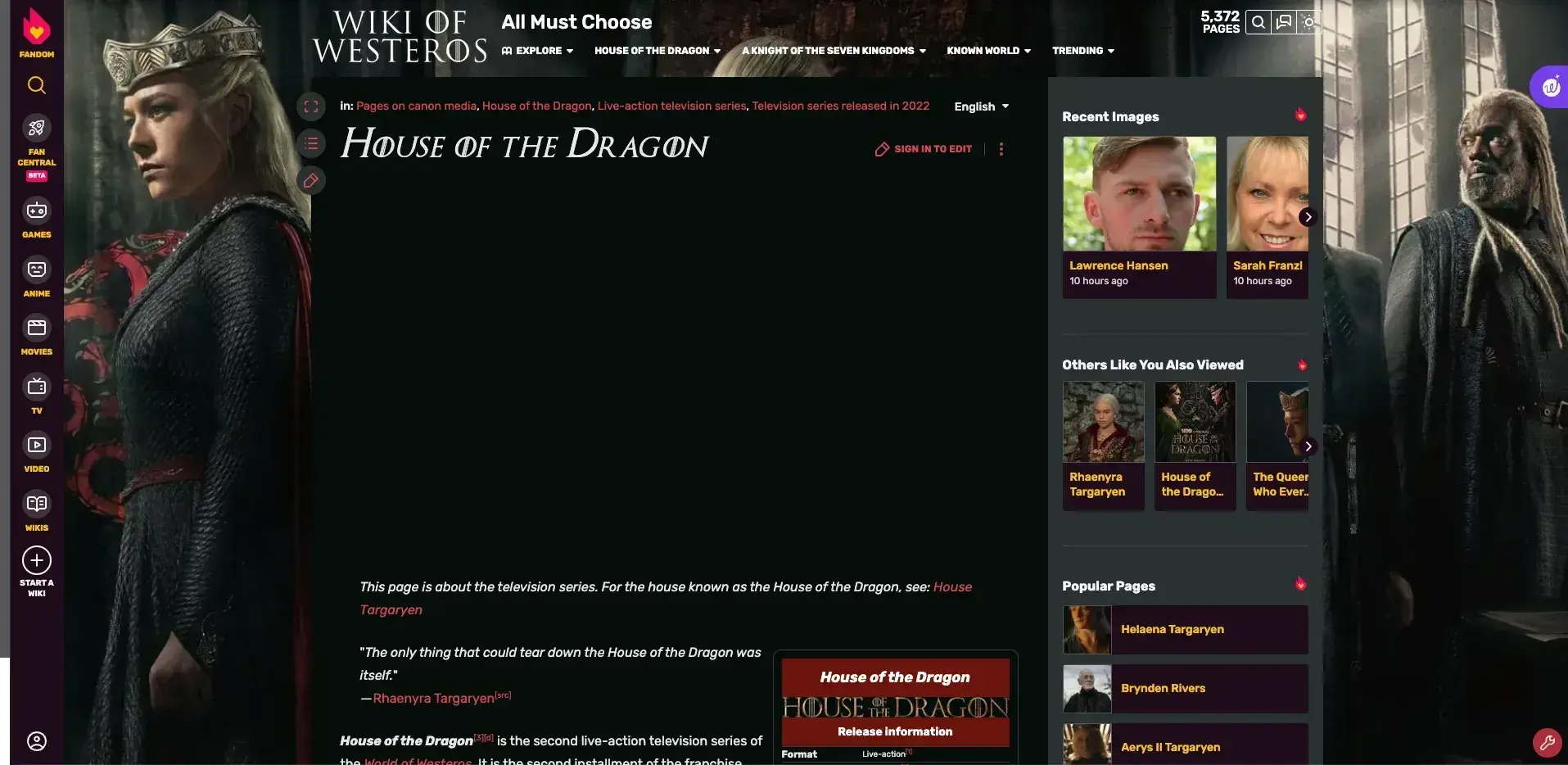
Fandom, on the other hand, caters to enthusiasts of various entertainment franchises. Ever found yourself needing the juicy details on a feud between characters on your favorite TV show? Fandom is the place to go.
What I like: I love this site's depth of content for specific topics. The passion of fan communities shines through in the detailed articles and discussions. Whether I'm trying to understand the lore of a video game or looking up obscure facts about a movie series, Fandom rarely disappoints.
8. News Website
News websites are like entertainment sites, but mostly comprise news reports. As such, these sites aim to inform more than entertain. News websites also tend to have a notably different aesthetic than entertainment websites, often with a cleaner layout.
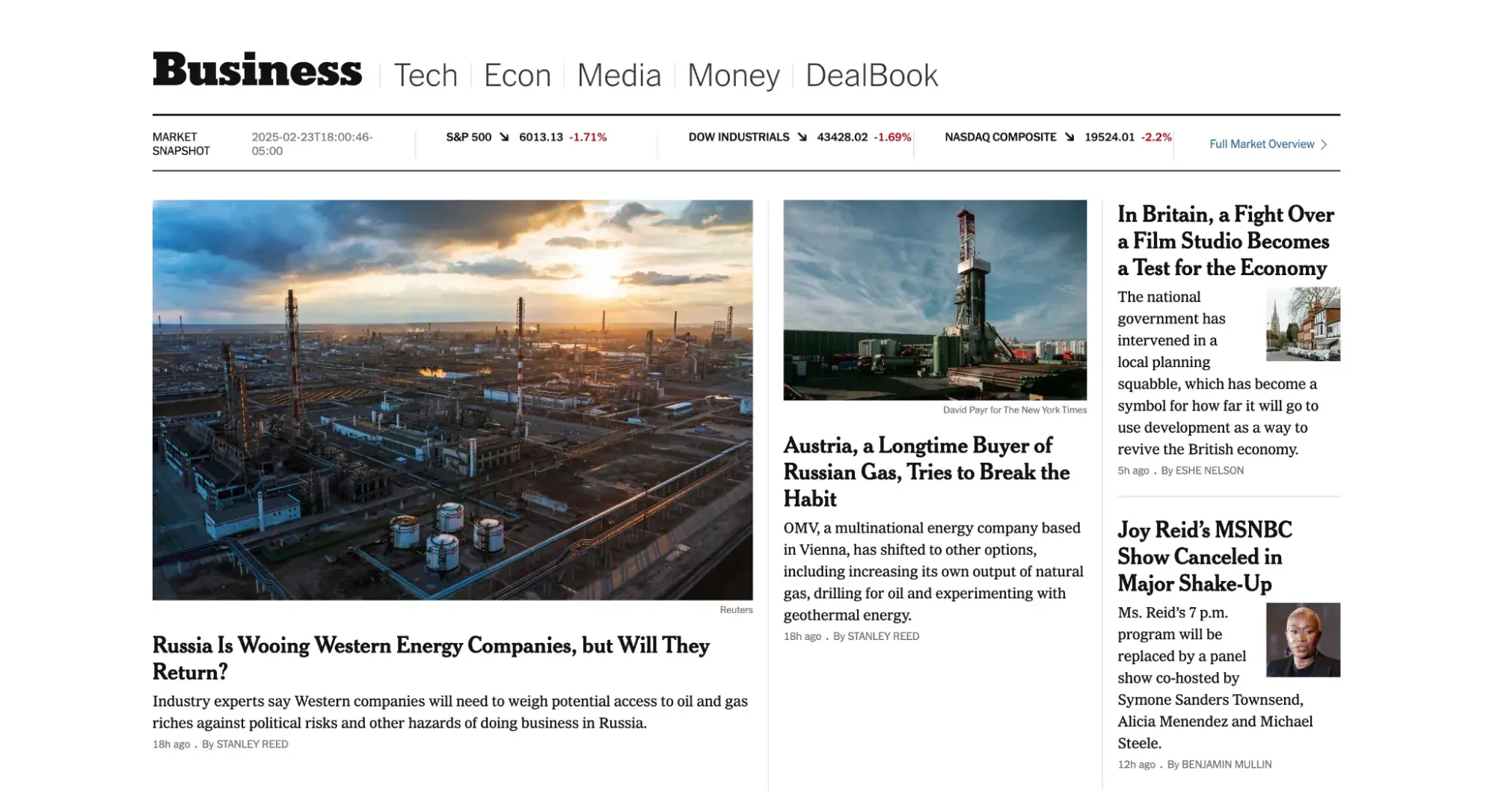
The New York TimesTake The New York Times business section as an example — it heavily uses a grid layout to present the latest stories and typography to mimic its printed counterpart.
What I like: Despite being renowned for its authoritative journalism, I love how The New York Times skillfully incorporates elements of sleek design, engaging visuals, and a user-friendly interface to deliver an outstanding news website experience.
In place of on-page advertising, many news sites offer a subscription for access to their content. The New York Times limits the number of free articles users can view before they must purchase a subscription. Other online news publications place part of their articles behind a paywall or limit the number of free daily articles.
9. Government Websites
Government websites are official online platforms created and maintained by various levels of government to provide information and services to the public. I frequently use these resources to access official information, complete necessary tasks, and stay informed about policies and regulations.
One government website I often use is Canada.ca.
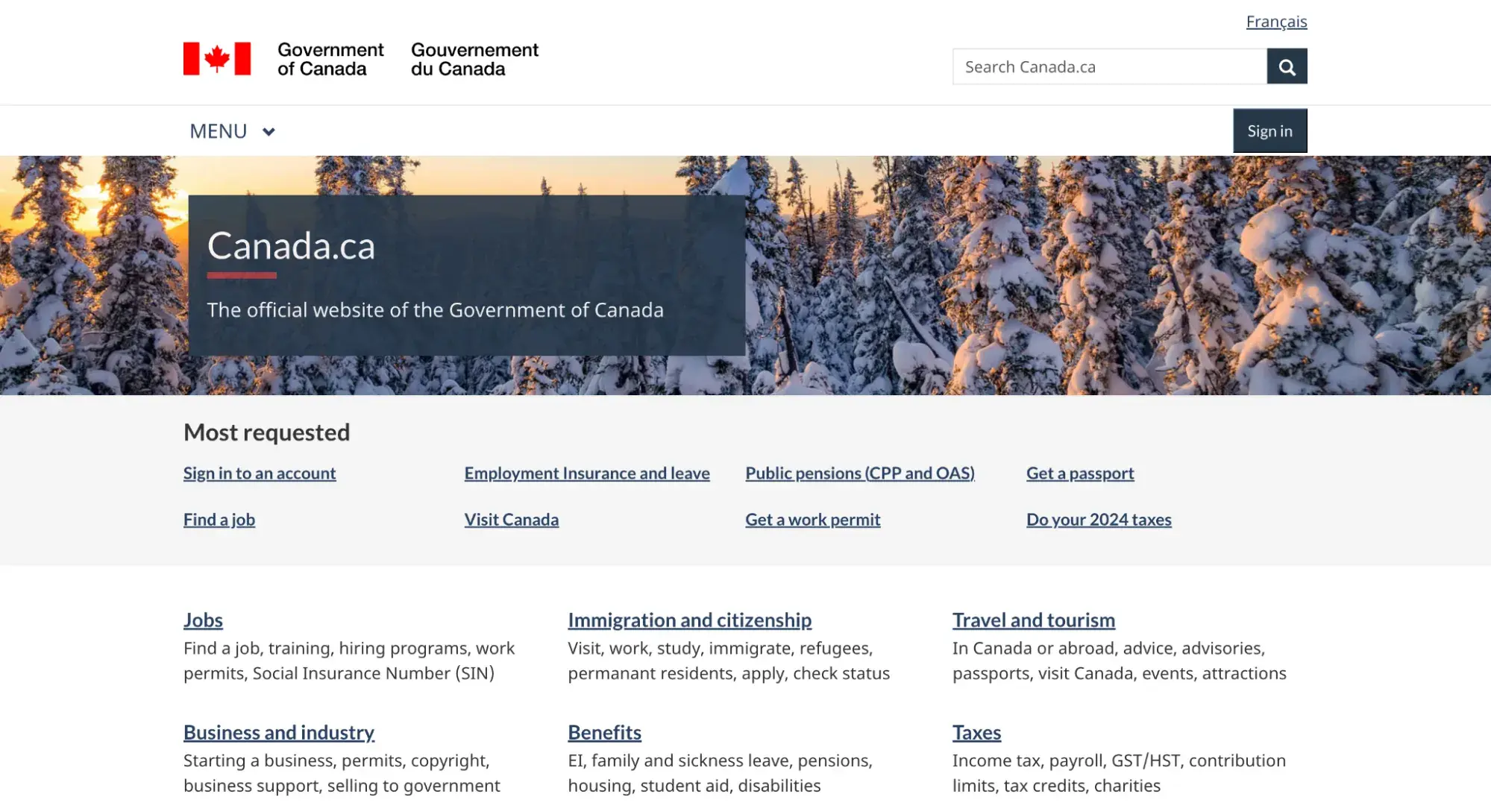
Canada.ca is the main portal for the Government of Canada and offers a comprehensive range of information and services. I find it to be a reliable starting point for almost any government-related query I have, whether it's about immigration, health care, or employment.
What I like: Its clean, intuitive design. The site is well-organized, with clear categories and a powerful search function. I particularly appreciate the "Most requested" section on the homepage, which often saves me time by highlighting commonly sought-after services and information.
I also like this government website because it's reliable and comprehensive. When I access information here, I can trust that it's official, up-to-date, and applies specifically to the Canadian context. I especially need this when it comes to understanding my tax obligations.
10. Nonprofit Organization Website
Websites are one of the best ways to establish legitimacy for a business, and the same can be said for nonprofit organizations and non-corporate entities. These types of websites serve to promote an organization, communicate the organization's purpose, and often request and field donations.
Just because your site isn't selling a product or service doesn't mean it can pass off a shoddy design. To be effective, a nonprofit's website must clearly convey its mission and goals from the homepage with emotional weight, with additional pages going more in-depth on individual projects and initiatives.I really like it when websites list organizations they've collaborated with, testimonials from those they've served, a calendar of future events, and a donation CTA to capture new contributors while they're engaged.
Nonprofits can employ different design approaches, too.
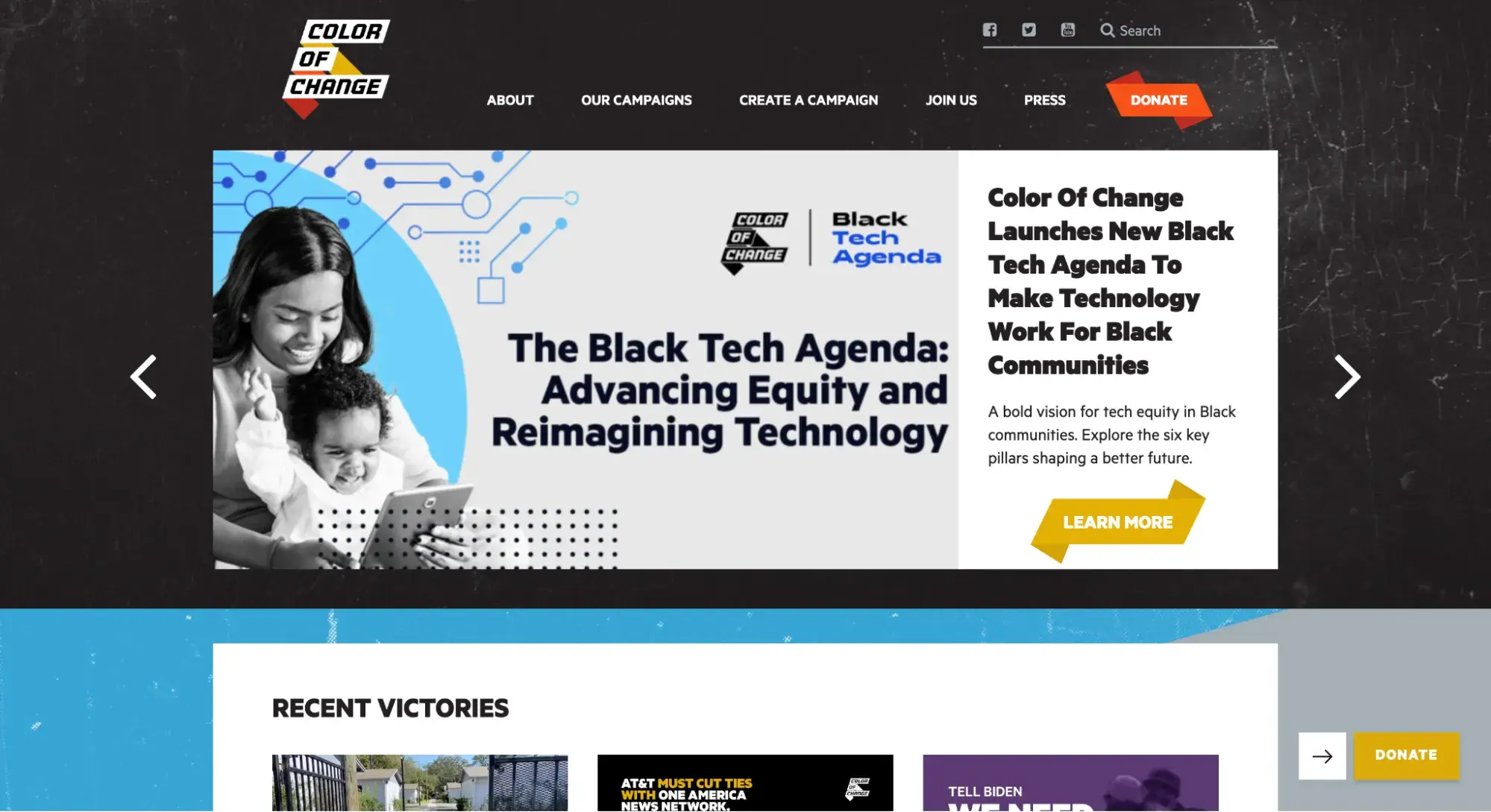
For example, Color of Change is a leading online racial justice organization that empowers its members to campaign for a more equitable and just society for Black people in America.
What I like: Color of Change meets you with a hero image slider showcasing its initiatives and highlighting the CTA to donate. Visitors can scroll to learn more, but this design choice makes a strong first impression on new visitors and potential donors.
11. Coupon Websites
Who doesn't love a good deal? Coupon websites help you find the best offers and reduce your overall spending.
They're online platforms that aggregate and share promotional codes, discounts, and deals from different retailers and service providers.
Two examples are RetailMeNot and Rakuten.
RetailMeNotRetailMeNot is a popular coupon site offering discounts for about 20,000 businesses. It covers numerous retailers across various categories, from clothing and electronics to travel and food.
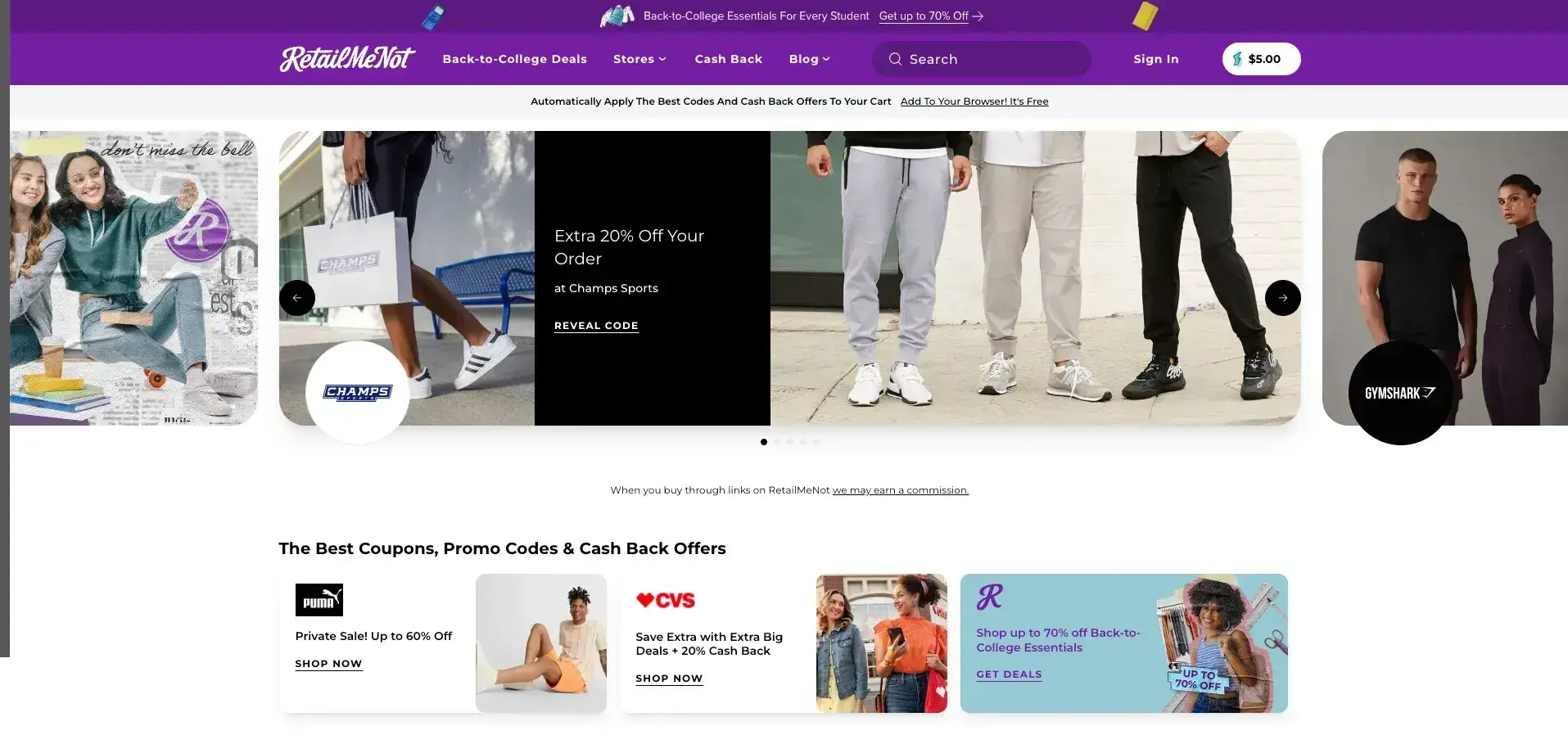
What I like: RetailMeNot has a high volume of coupons available. The site's search function makes it easy to find deals for specific stores or products.
It also provides information such as when the coupon was verified and how many times it was used today, reassuring me of its legitimacy.
12. Directory Websites
Directory websites compile and organize listings of businesses, services, or individuals in a structured format. They're great for finding and comparing options in various categories. Sometimes, but not always, they include user reviews.
Two directory websites I frequently use are Yelp and Yellow Pages.
Better Business Bureau
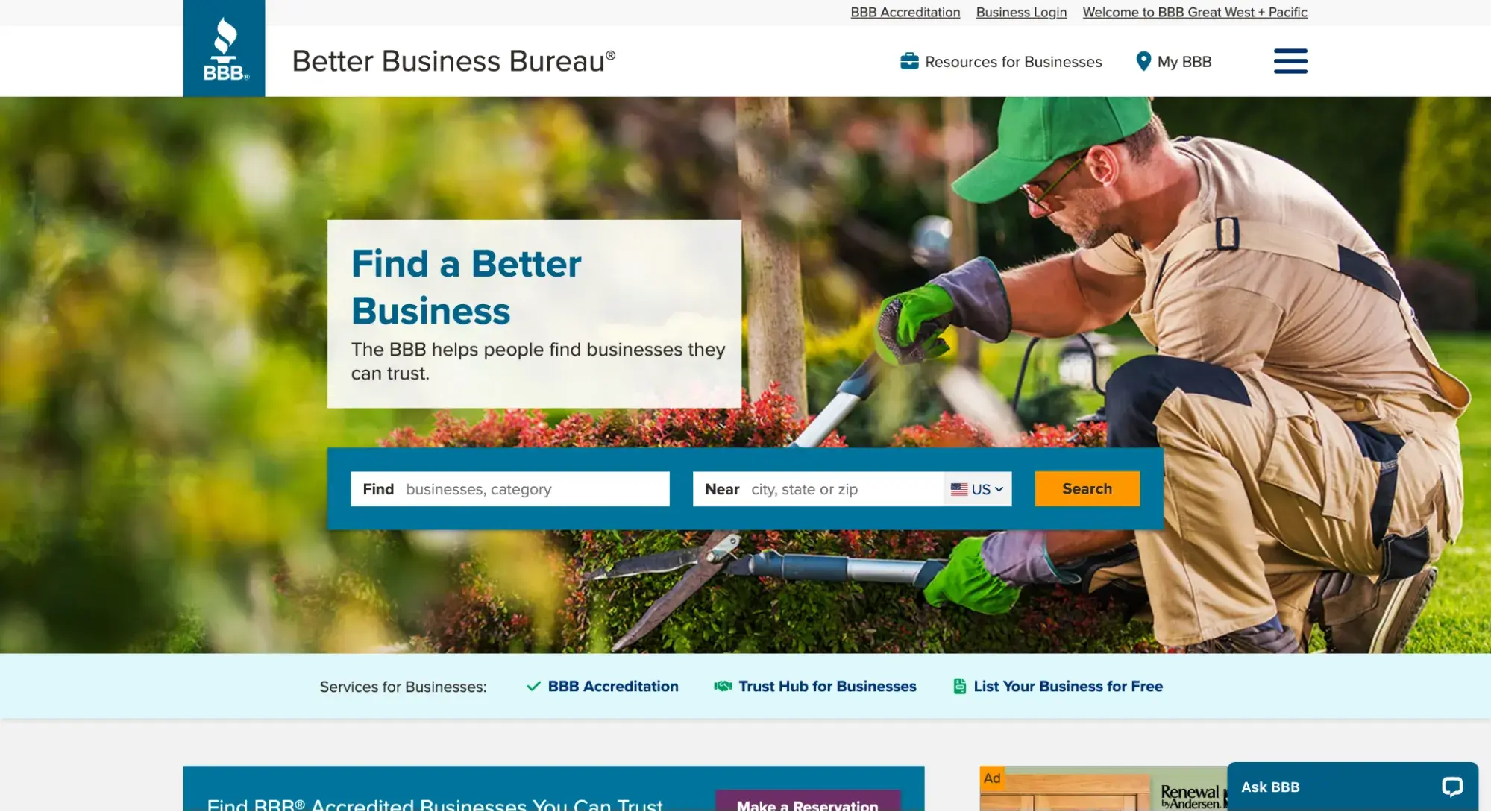
The Better Business Bureau is a nonprofit that runs an online directory of businesses with the goal of building trust between buyers and sellers.
You can search any business and see if it meets the standards of BBB accreditation, find out when it was opened, and maybe even see user reviews or complaints.
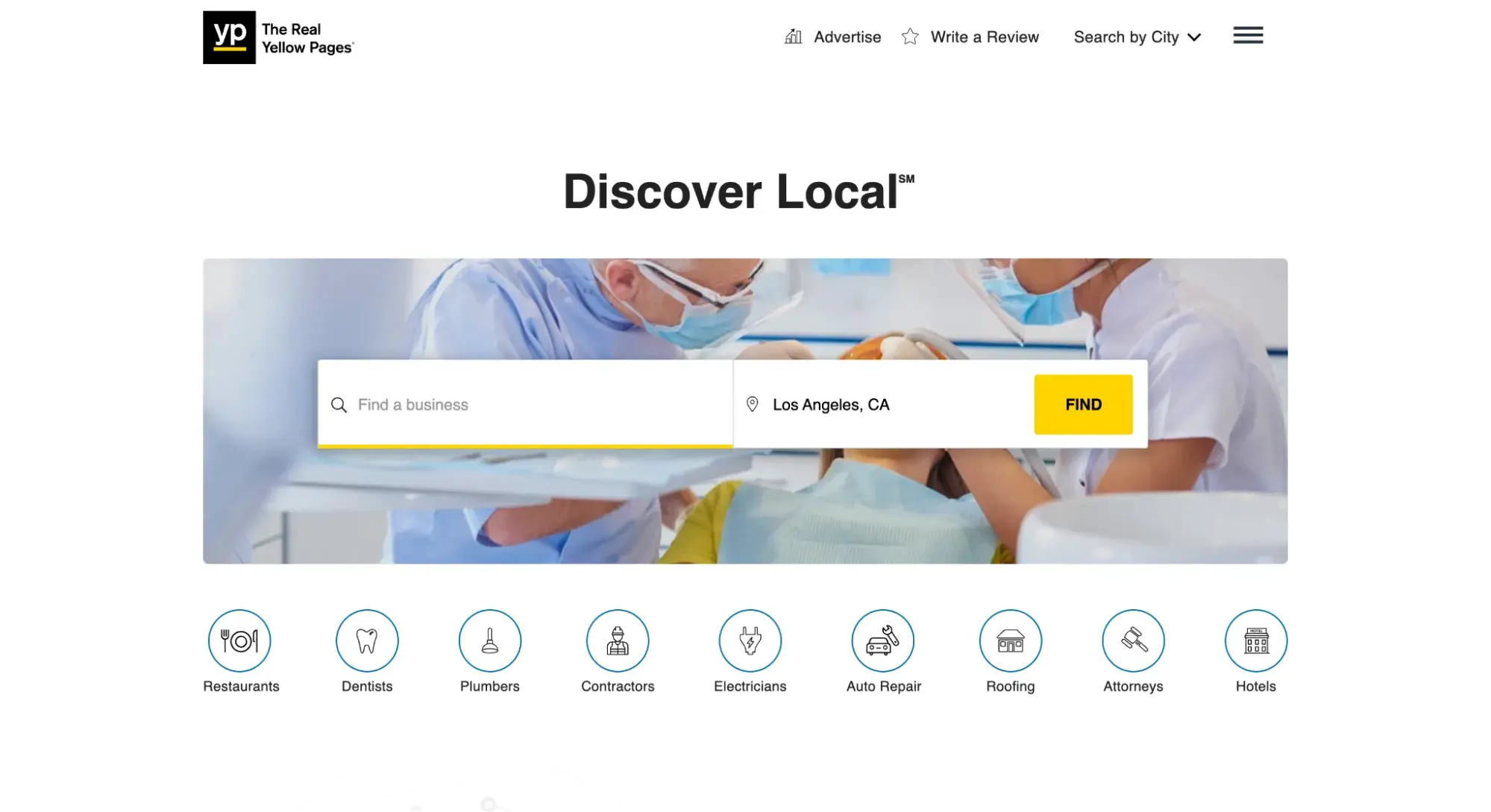
Yellow Pages is a more traditional business directory that has successfully transitioned online. It provides listings for a wide range of businesses and services across various industries.
What I like: Yellow Pages has a straightforward, no-frills approach to business listings. The site is easy to navigate, and I appreciate how it often includes essential information like business hours, contact details, and website links all in one place.
Enter your text here ...
13. Booking Websites
Booking websites make the entire planning process so much easier by connecting travelers with lodging, transportation, and tour packages that they can purchase through the site.Airbnb
Airbnb
Remember when your options were limited to hotels or hostels? Airbnb changed all that. On this booking website, homeowners can rent out their homes to travelers.
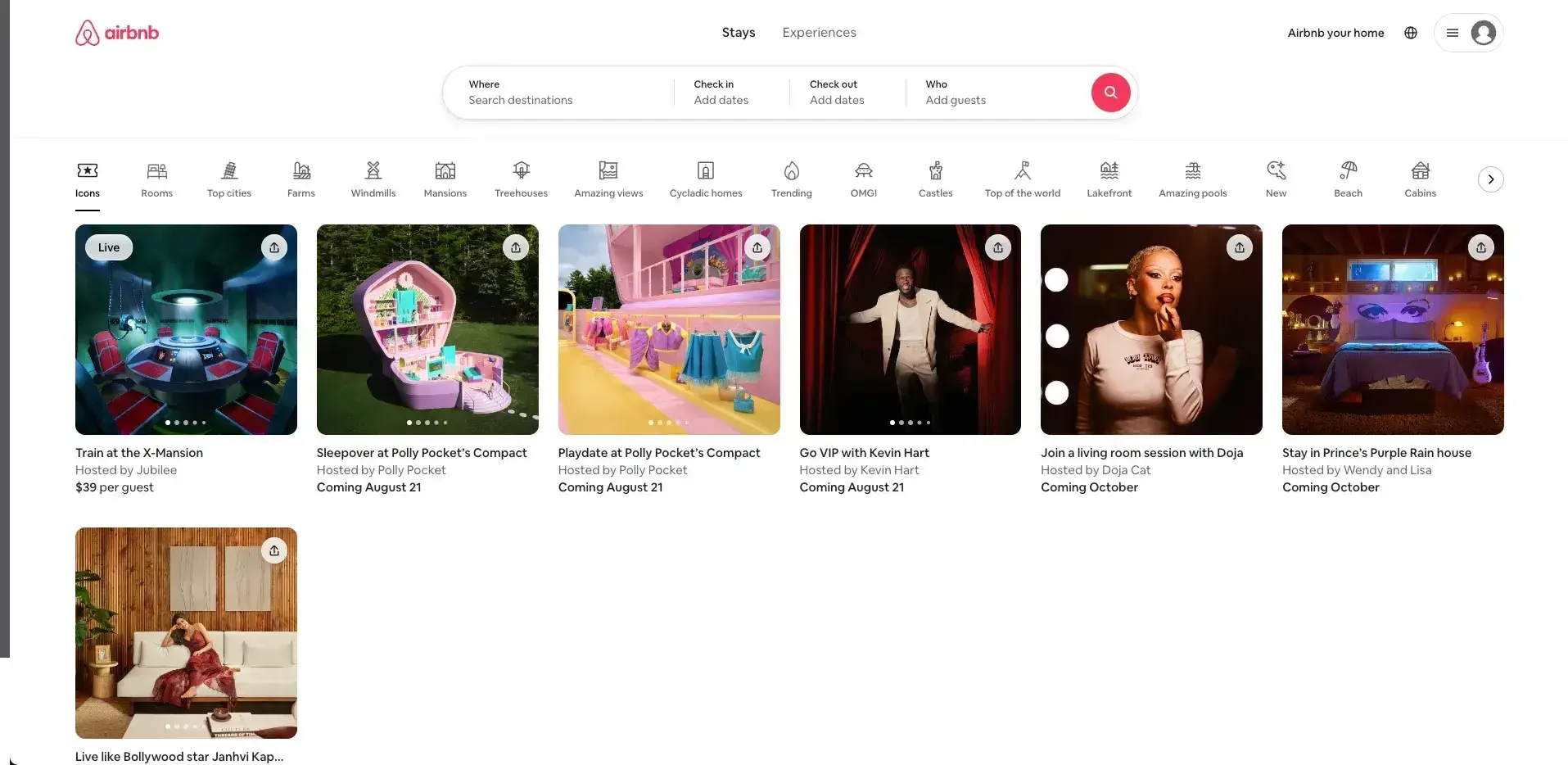
Remember when your options were limited to hotels or hostels? Airbnb changed all that. On this booking website, homeowners can rent out their homes to travelers.
What I like: Airbnb offers a very unique experience. Want to stay in a treehouse in Costa Rica? Or how about a houseboat in Amsterdam? Airbnb makes it possible.
The platform's user-friendly interface, with its detailed listings and honest reviews, helps me find the perfect place to stay. Plus, the ability to communicate directly with hosts gets me insider tips about the local area.
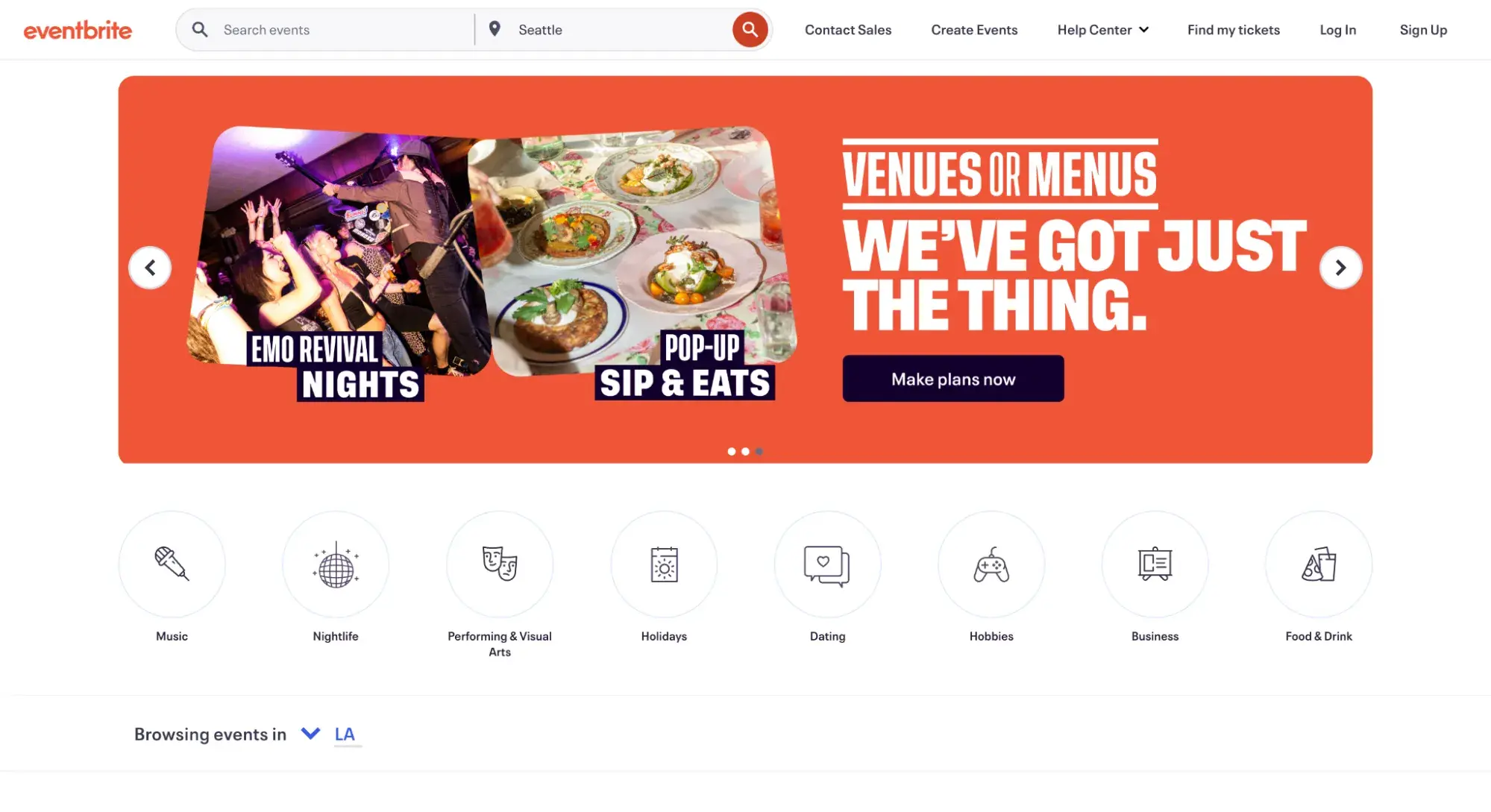
On the other hand, Eventbrite caters to a different kind of booking — events. From concerts and workshops to local community gatherings, Eventbrite has become my go-to for discovering what's happening around me, especially when I want a taste of the local culture while traveling.
What I like: Eventbrite is quite diverse. One day, I might be booking tickets for a rock concert, the next for a cooking class. The platform's recommendation engine often introduces me to events I wouldn't have found otherwise.
Plus, the ease of managing my tickets directly through the app? That's a huge bonus in my book.
14. Membership Websites
Membership websites require visitors to register an account to take full advantage of what the site has to offer. These sites range from educational resources to web apps to news and entertainment publications.
In all of these, some or all valuable content is protected and only available to "members" of the website and, in many cases, requires payment to access.
How exactly a membership site's content and services are gated varies widely — some websites reserve all content for members, while other websites make some items free and others exclusive.
Membership websites may accept one-time payments for access, be subscription-based, or require no payment at all, just a sign-up.
Many sites, particularly those offering video content, monetize videos by gating premium content behind memberships. Blogs, entertainment sites, and news sites have been shifting to this model to generate revenue.
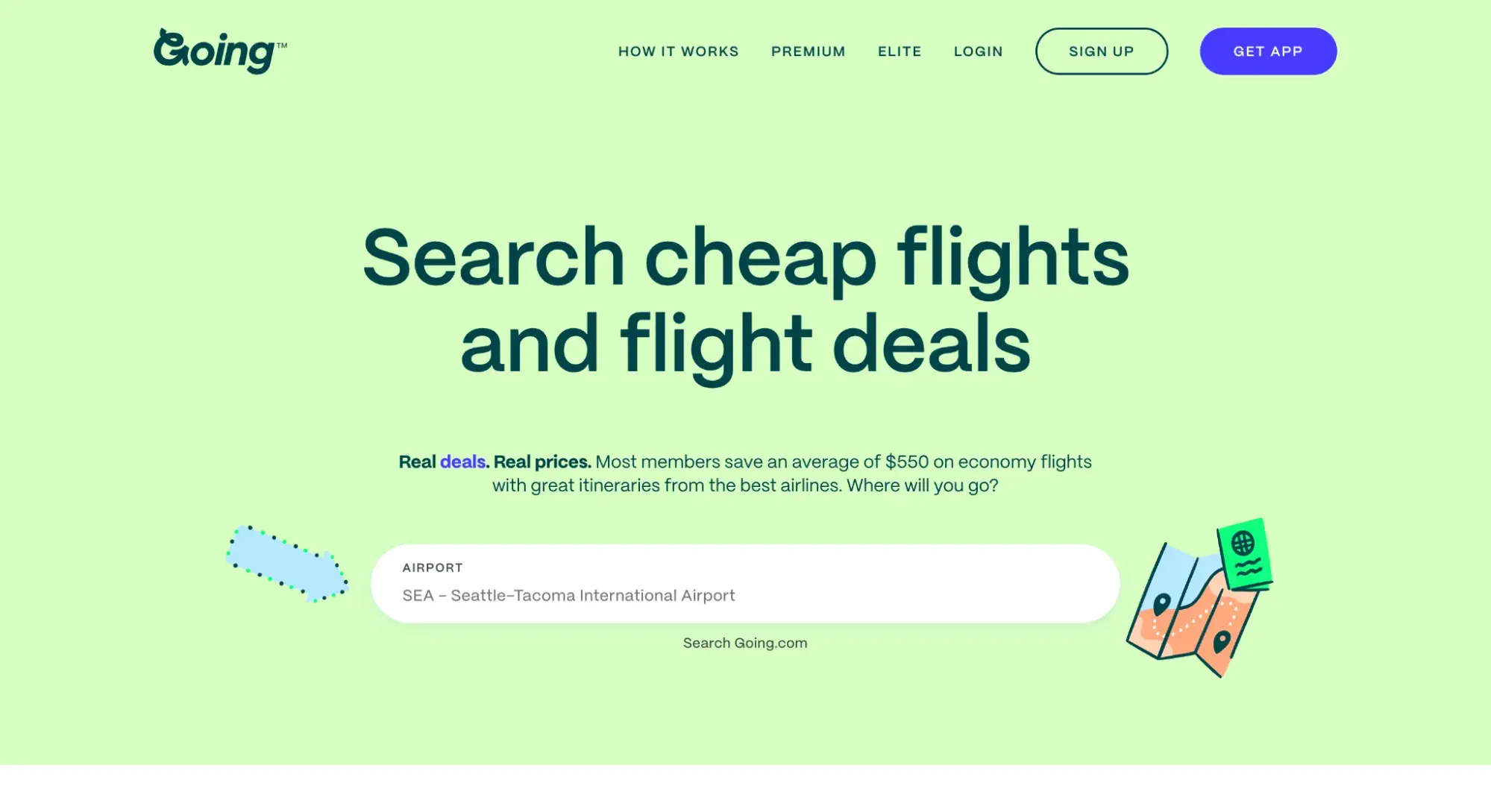
Going, formerly known as Scott's Cheap Flights, is one example of an effective membership site.
What I like: The service helps me find inexpensive round-trip flights from the United States to popular travel destinations and sends an email alert when it finds a deal for me.
When you subscribe to the blog, we will send you an e-mail when there are new updates on the site so you wouldn't miss them.