There are numerous divisions in which different types of sites can be described. Some of the first divisions were related only to static and dynamic sites, later static and dynamic got their subcategories with the development of new technologies and CMS systems. So at the moment it is possible to report a really wide and diverse division, but we have decided that it will still be a division into a couple of currently less popular types of sites.
Websites come in many shapes and serve a wide array of purposes. Whether you're launching a business, sharing your passion, selling products, or building an online community, understanding the different types of websites is essential to making the right choice for your goals.
What Do the Statistics Say?
General Website Statistics: Key Numbers
Sources: (Statista, U.S. Chamber of Commerce, similarweb, Forrester Research, Stanford University, Pingdom, Linkedin)
Small Business Website Statistics
A website plays a central role in how a small business is seen and trusted. It shapes first impressions and supports how people learn, compare, and decide. Online presence now connects visibility with credibility and growth. From our review of market behavior, we see websites acting as a quiet foundation for long-term stability.
🧩 Informational, Business, Presentation Websites
What they are:
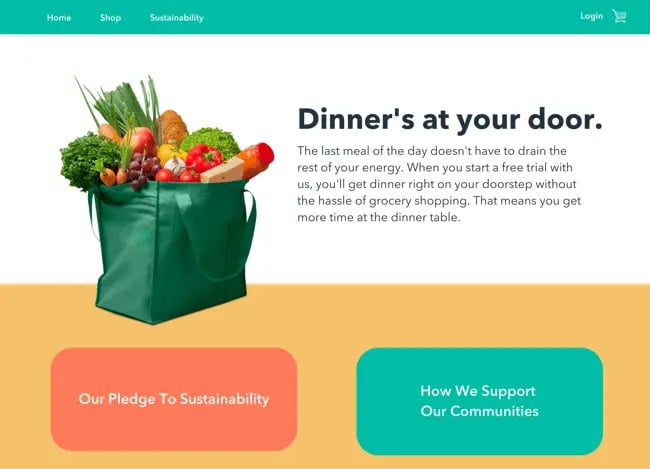
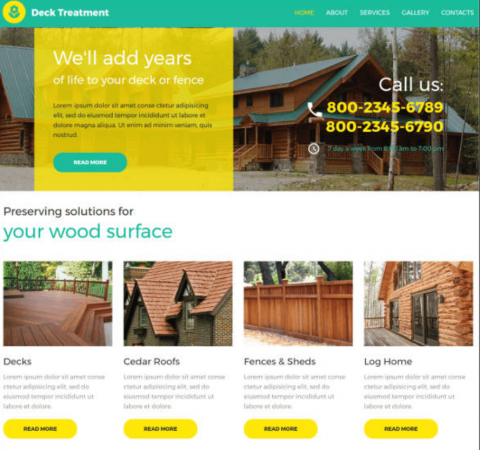
Business and informational websites serve as your digital storefront — places to introduce your brand, highlight services, share contact info, and communicate your unique value.This types of website is one of the simplest types of sites. It can be static and dynamic. Static means that the content on the created site will not be changed for a certain period of time, while the dynamic type includes a site where some part of the content will be changed often. This usually happens if news is inserted on the site, new information is often added or a blog is run within a dynamic site. A presentation site usually consists of 3 to 6 pages written in one or more languages.
The most common content is represented by textual and pictorial content with a general informational character by getting acquainted with the content, contact information and news related to the topic of the site. The presentation site is mainly used for presenting smaller companies, organizations, creating a personal site or portfolio site, presentation in CV form, promotion of a particular service or service in the simplest form, as well as for non-profit organizations and sites that present a product brochure.
Who it's for:Small businesses, consultants, local services, startups, and professionals who want a solid online presence without advanced e-commerce functionality.
Key features: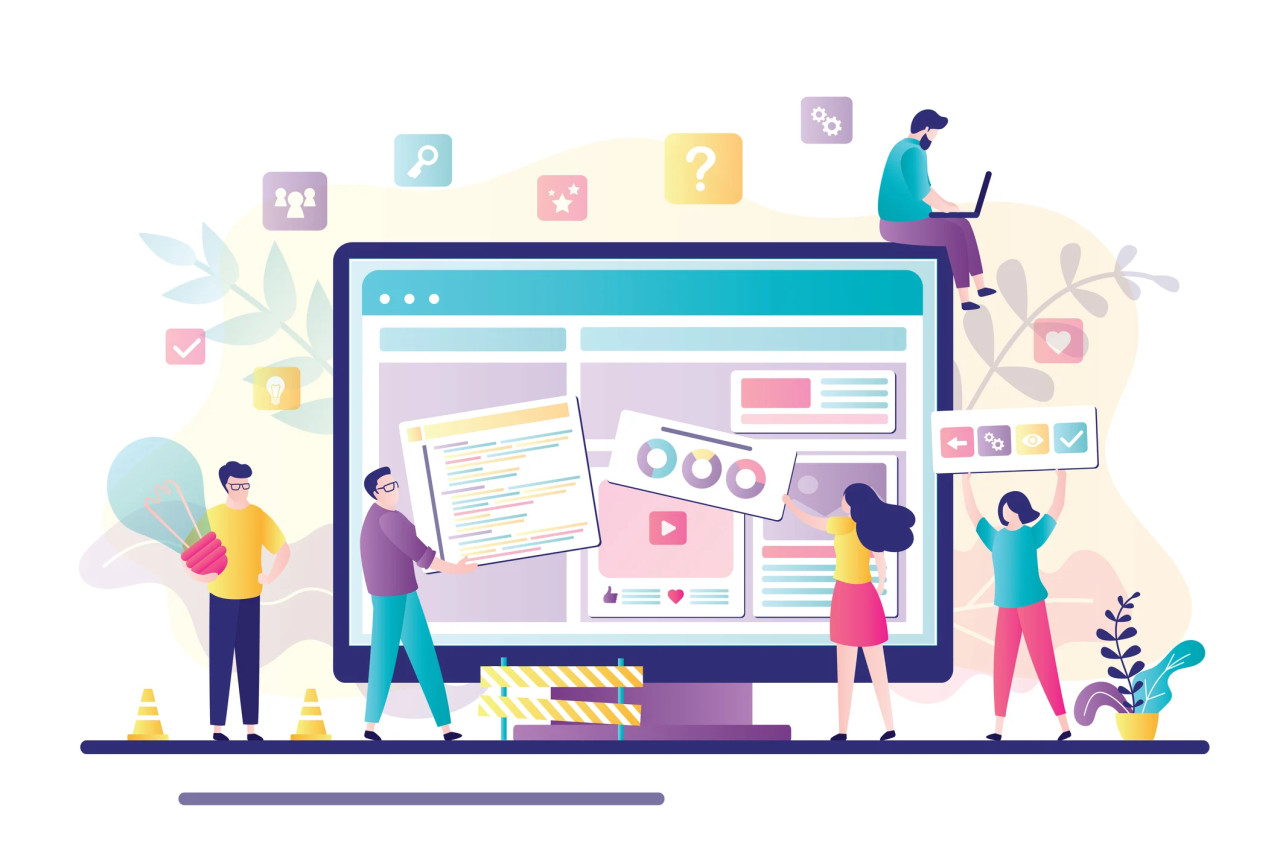

✍️ 3. Blog & Content Websites
What they are:
Dynamic websites centered around regular content — articles, guides, tutorials, thought pieces, and insights — often used for SEO, authority building, and community growth.
Who it's for:
Influencers, educators, hobbyists, companies practicing content marketing, and anyone who wants to build credibility and traffic around a topic.
Key features:
🗞️ 4. News & Media Websites/ Portals
What they are:
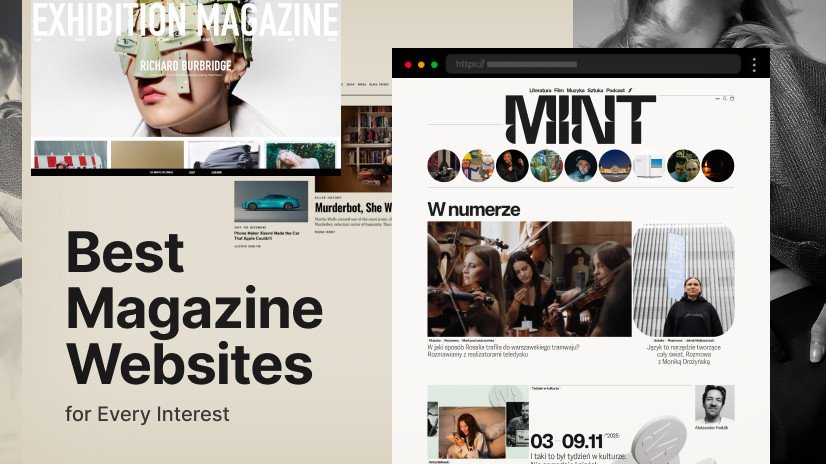
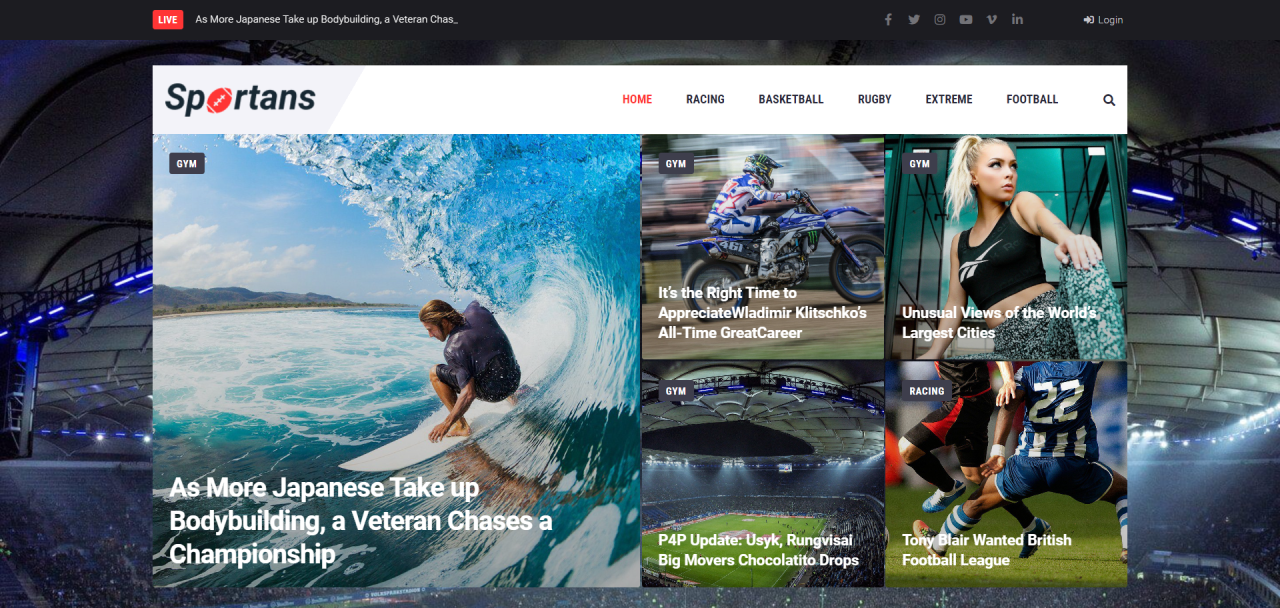
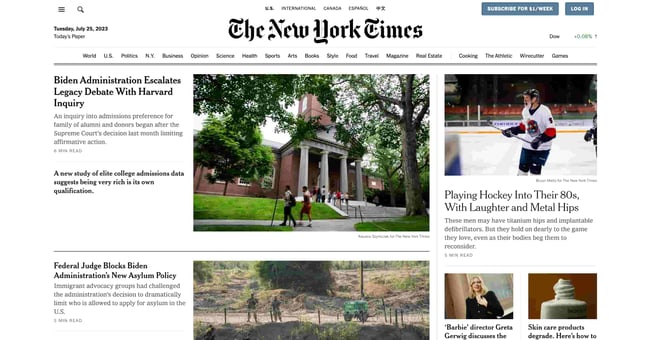
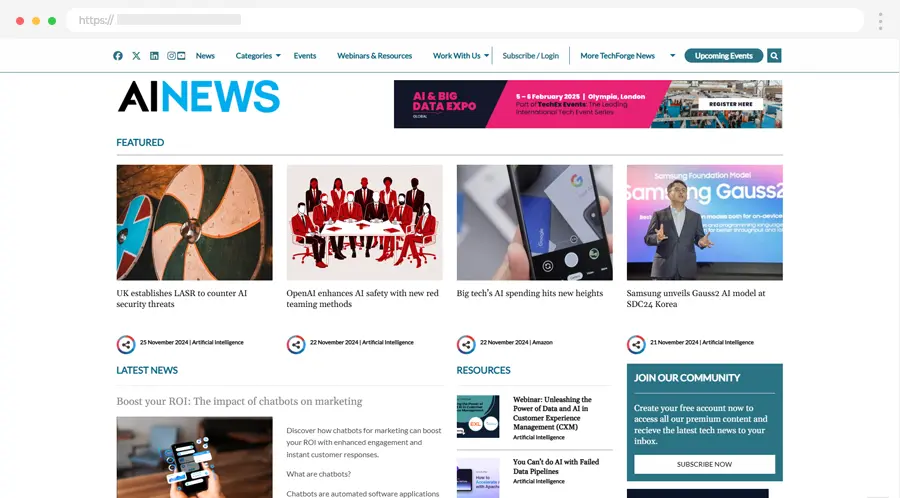
Websites oriented around frequent content updates, including current events, analysis, and multimedia stories — digital versions of newspapers or magazines. Often represents a page of informative character related to a certain area, and or more of them. The web portal is most often used as a magazine, newspaper, tourist news, educational institutions, political and non-governmental organizations that have a diverse program and content that changes frequently. Also, portals can have a section for registration of members where with a certain level of access to the site it is possible to access content that is not publicly available without registration.
Who it's for:
Journalists, publications, community news platforms, thought leaders, and media organisations.
Key features:
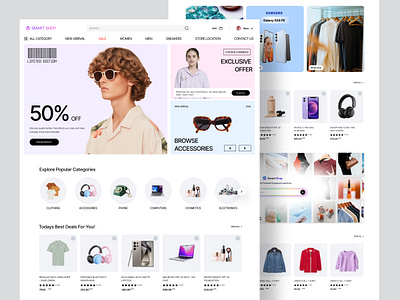
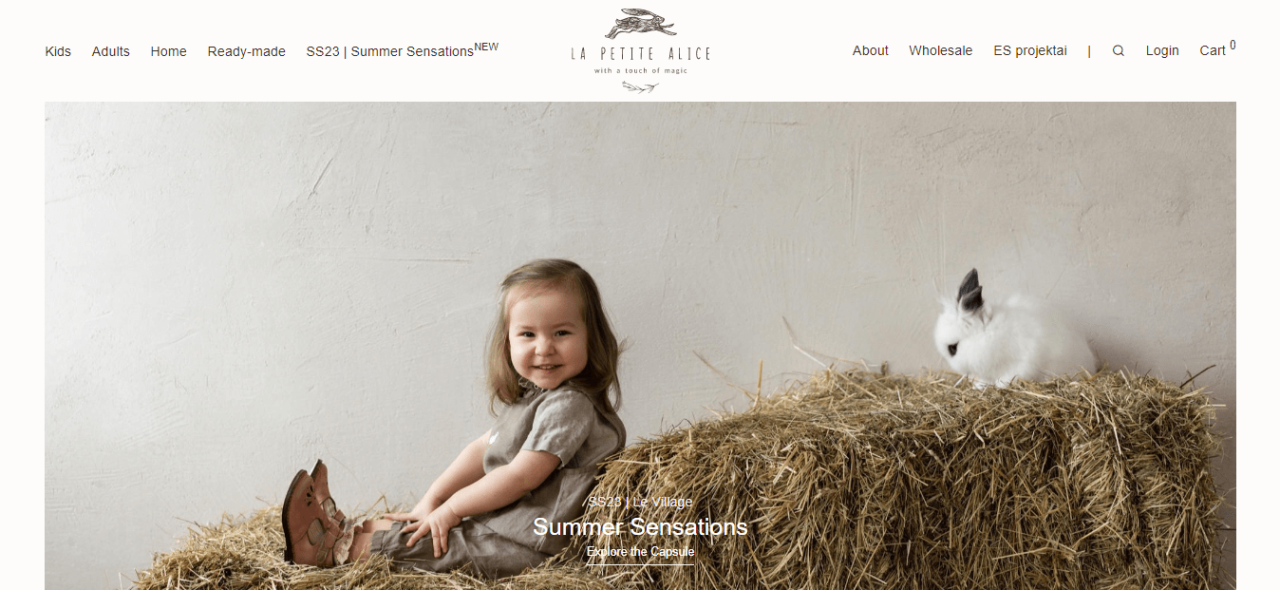
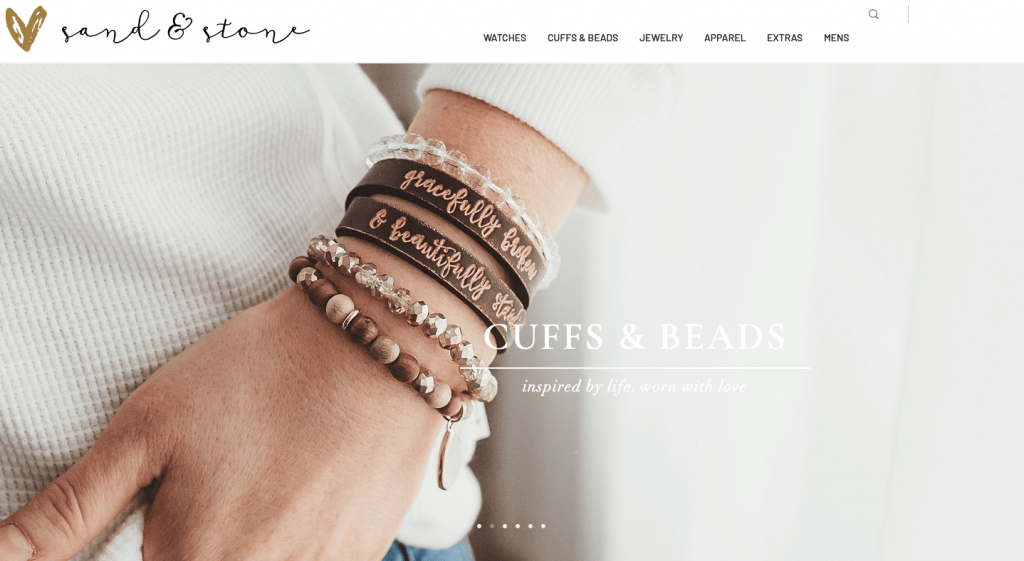
🛒 E-Commerce Websites (Online Stores) 4 What they are:
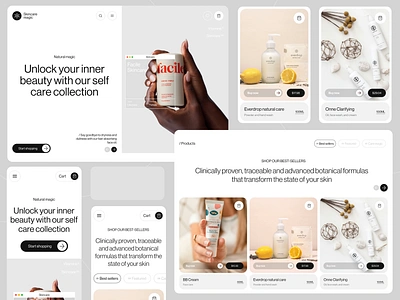
Websites that let you sell products or services directly online — essentially your digital shop open 24/7. An e-commerce site, also known as an online store or web shop, allows you to pay for products or services online. Stores can function as standalone websites or be combined with a blog or corporate website depending on how many service products are sold. For example, a clean corporate website without e-commerce functionality can still indirectly encourage users to buy something, but cannot accept any payments.
Creating a store is a more complex type of web platform and depending on the size of the store. The number of products, other elements are adjusted such as hosting, site protection, purchase of necessary accessories, integration of payment systems and many other details that must be defined before building. there would be no unplanned problems later.
Who it's for:Retail brands, boutiques, manufacturers, and businesses that want to offer direct online purchasing.
Key features:
🎯 Landing Pages 4 What they are:
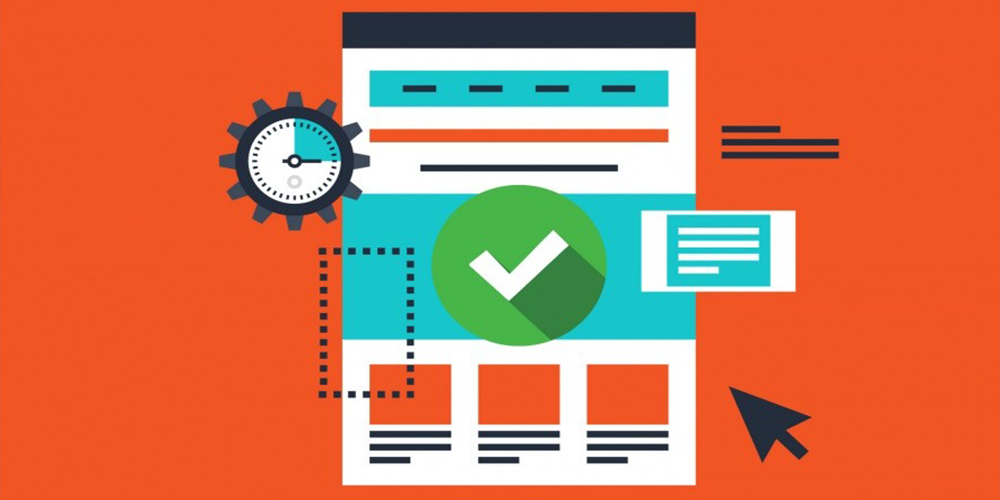
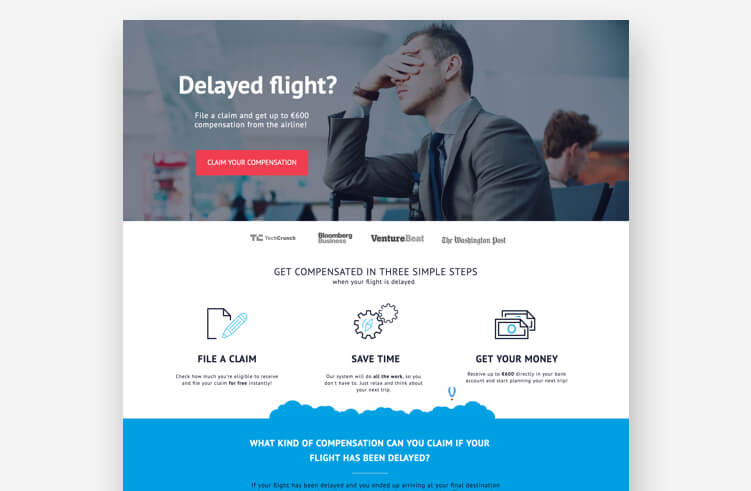
Landing pages are single-purpose websites or standalone pages designed to convert visitors into leads or customers.This is a website that is made with the goal of informing about the product and ultimately making two possible decisions: 1) to buy and 2) to leave some information because they are interested (collecting leads). If the goal is to buy immediately, we call it the sales page.
Landing pages are usually pages that are scrolled for a long time, where a story is told. As you approach the service, service or product at the bottom of the page through the story and information, there should always be a call to action.. A call to action is the moment when we ask people to do something - leave us an email address, call a phone, buy a product, download ebook....
All direct marketing campaign must have some kind of call to action, usually at the end of the landing page, but it can also be repeated several times during the text. A good copywriter knows at what point to put a call to action - usually at the moment when the visitor experiences the culmination of emotions that have slowly accumulated.
So actions on the page such as downloading an e-book, catalog, leaving an email address, booking a service, paying for an event ticket, downloading an application, downloading a document, ordering a product and service, logging in to inform about a particular product and service, button for any method contact (mail. Phone. chat) ( they represent a type of call to action which is essentially the most important element of a landing page.
Unlike full websites, landing pages focus on one specific goal — no distractions.
Who it's for:
Businesses running ads, launching new products, promoting events, or collecting leads.
Key features:
Landing pages are ideal for marketing campaigns and fast results.
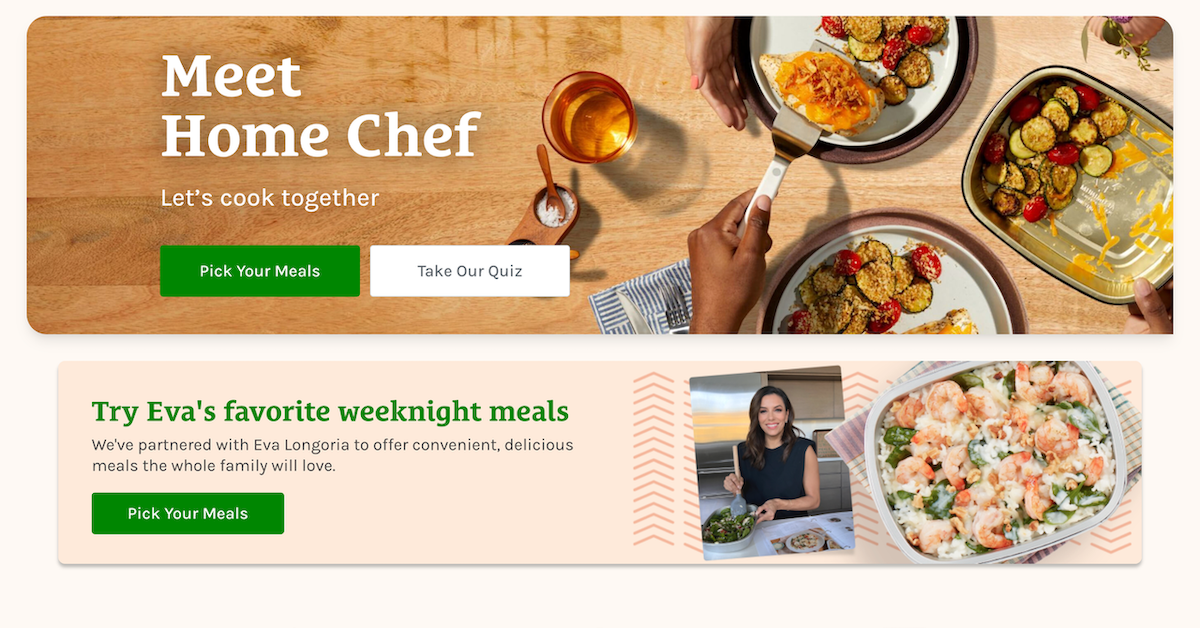
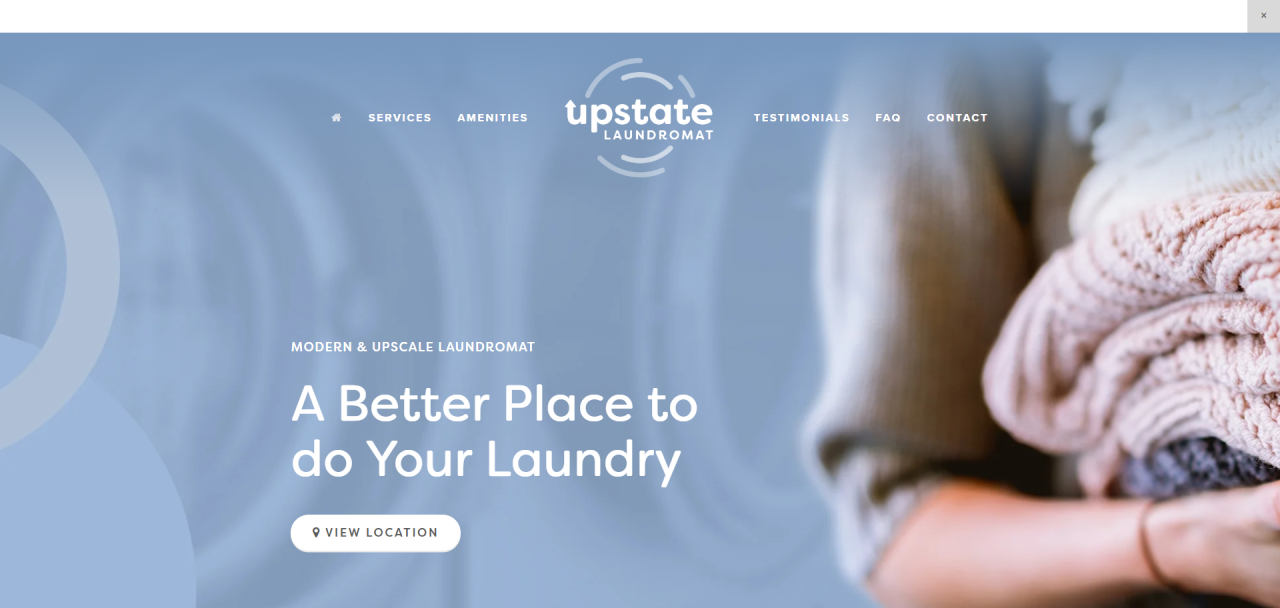
📅 Service Booking, Reservation Appointment Websites 4 What they are:
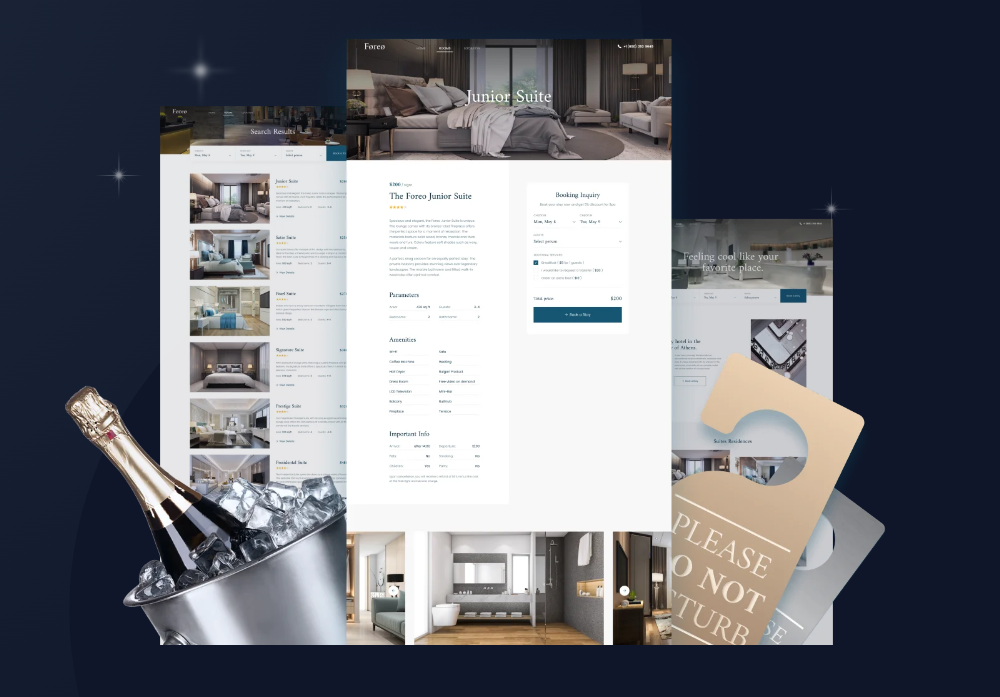
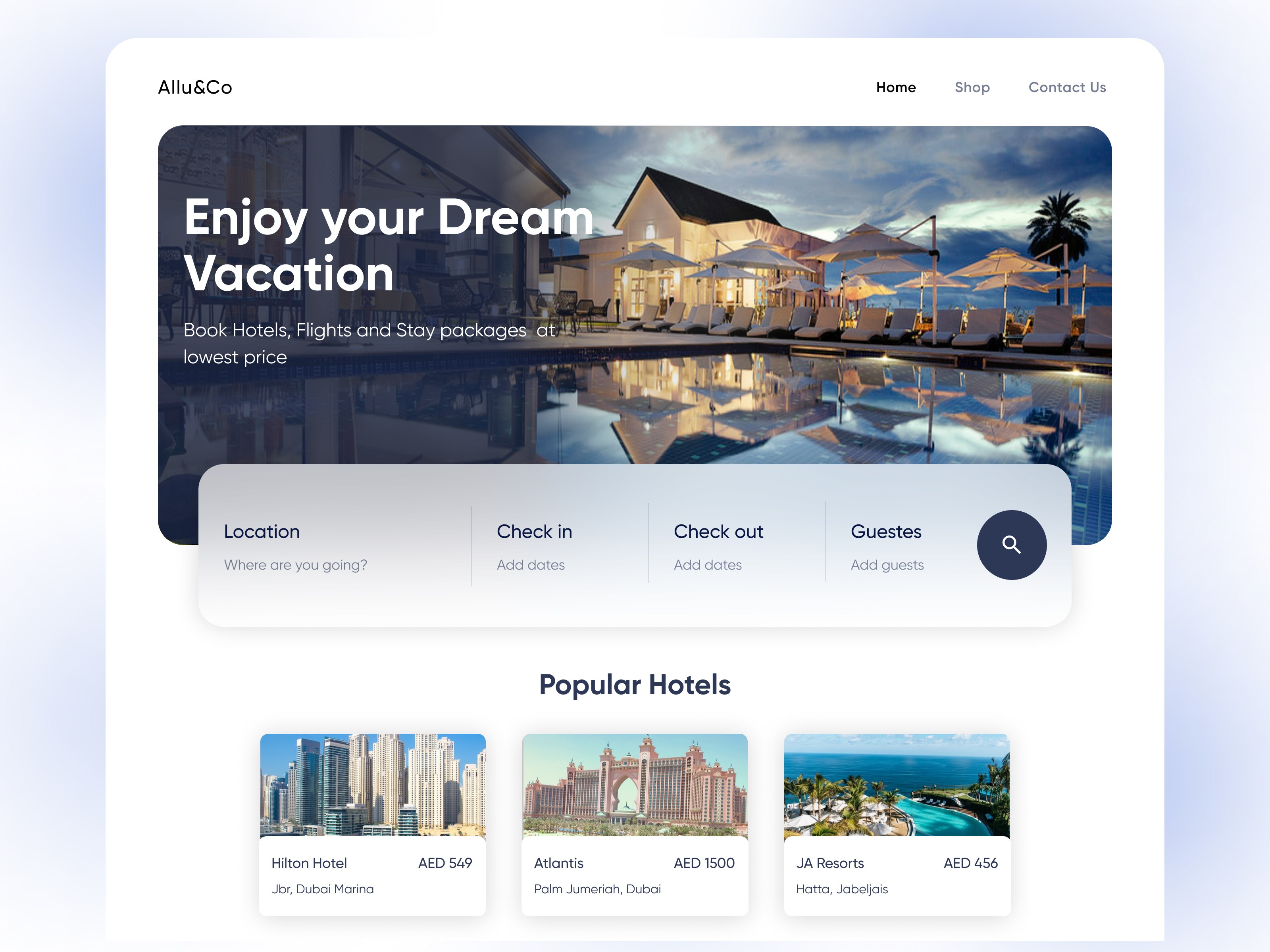
Booking or reservation websites allow users to schedule appointments, reserve services, or book accommodations online. Appointment and booking websites are essential for many small businesses that require scheduling, such as salons, clinics, consultants, and trainers. When selecting an appointment or booking solution, it's essential to consider the specific needs of your business, such as the volume of bookings, required integrations with other tools, payment processing needs, and your budget. Each of the above platforms has its unique strengths, so it might be beneficial to test a few before making a long-term commitment.
Some of the appointment booking websites are: Beauty and Personal Care Health and Wellness Medical Professionals, Consultants and Coaches, Home booking websites and Auto Services, Hospitality and Travel ,Real Estate and Facilities...
They automate time slots, availability, and confirmations.
Who it's for:Hotels, apartments, rent-a-car companies, clinics, salons, fitness trainers, restaurants, and tour operators.
Key features:These websites reduce phone calls, save time, and work 24/7.


Listing & Directory Websites
What they are:
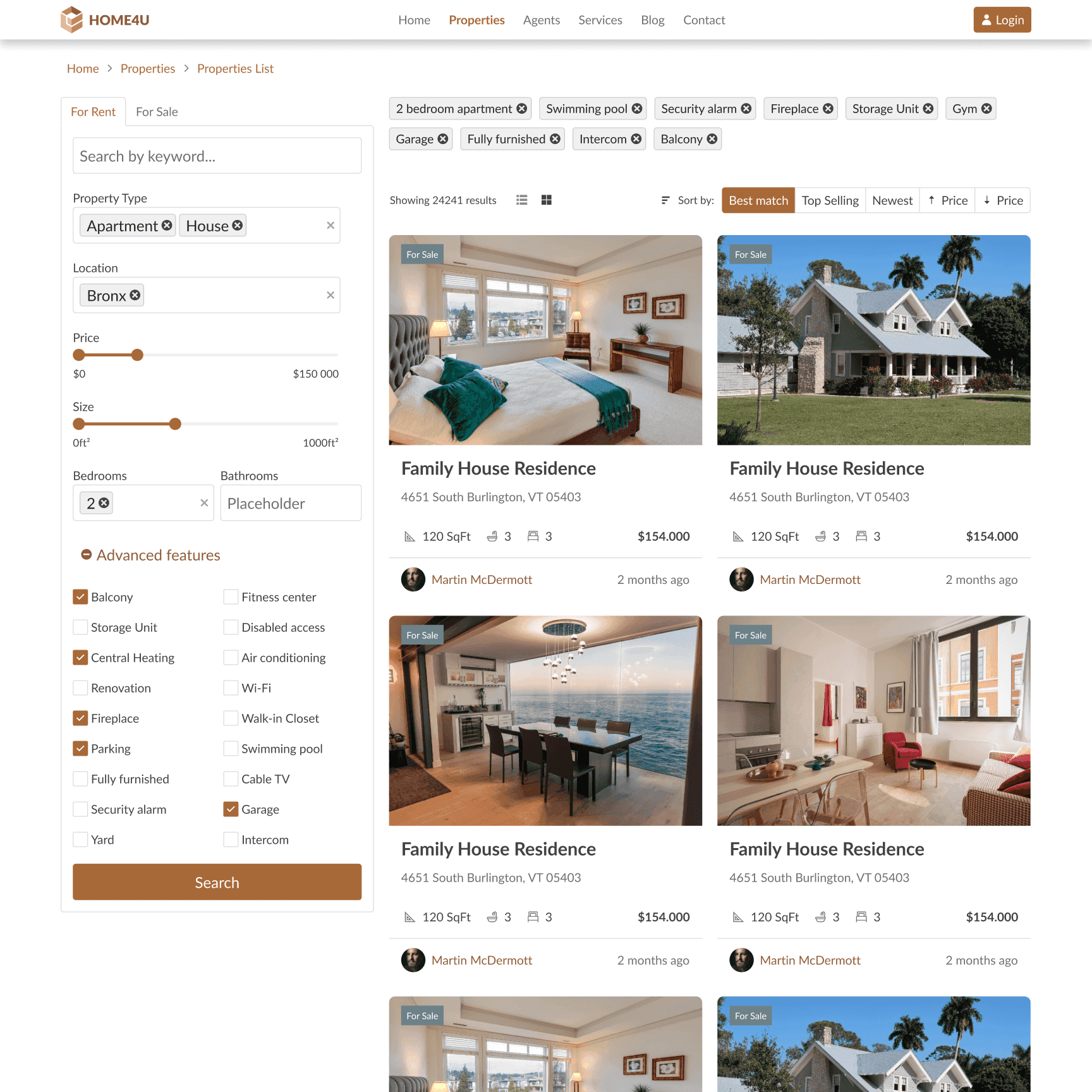
Listing websites (directories) allow multiple users or businesses to publish listings within categories.
They function as platforms rather than simple company websites.
Who it's for:
Listing websites are online platforms or directories where items or services are displayed or "listed" for users to browse, learn about, or purchase. The specific nature of the items can vary widely. Here are some examples of different types of listing websites:
Real Estate Listing Sites: Websites where properties for sale or rent are listed. Examples include Zillow, Realtor.com, and Trulia.
Job Listing Sites: These are platforms where employers post job openings, and job seekers can apply. Sites like Indeed, LinkedIn Jobs, and Glassdoor fit this category.
Classified Ads Sites: General platforms where people can list various items, services, or jobs. Craigslist and Backpage (although the latter has faced controversies) are examples.
Business Directories: Websites that list businesses in specific categories and often allow users to leave reviews. Yelp and the Yellow Pages online directory are good examples.
E-commerce Platforms: Sites like eBay, Amazon, and Etsy allow individual sellers or businesses to list products for sale.
Event Listing Sites: Websites that provide lists of upcoming events, such as concerts, theater shows, or community gatherings. Eventbrite is a prime example.
Automobile Listing Sites: Websites focused on listing cars for sale, like Autotrader or Cars.com.
Accommodation or Travel Listing Sites: Platforms like Airbnb, Booking.com, and Expedia allow hosts or hotels to list accommodations, and travelers can book them.
Service Listing Sites: Websites where professionals can list their services. This includes platforms like Thumbtack or Angie's List.
App Directories: Online platforms that list software applications for users to browse and download. The App Store for iOS devices and Google Play for Android devices are well-known examples.
Educational Course Directories: Websites where courses are listed for users to enroll in and learn, such as Udemy or Coursera.
When creating or using a listing website, it's essential to ensure that the platform is user-friendly, the search functionality is robust, and the listings are kept up-to-date to maintain credibility and trust with users.


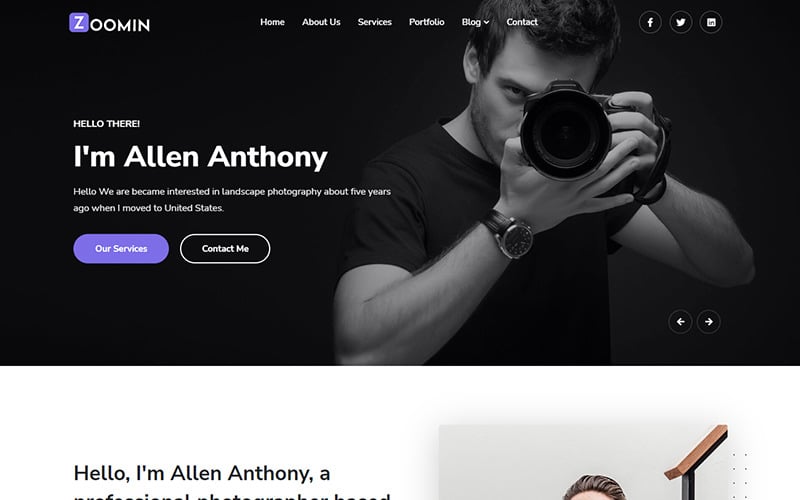
🖼️ Portfolio Websites
What they are:
Personal showcases designed to highlight your work, experience, and creative expertise.
Who it's for:Designers, artists, developers, photographers, freelancers, and creatives.
Key features:Landing pages are single-purpose websites or standalone pages designed to convert visitors into leads or customers.
Unlike full websites, landing pages focus on one specific goal — no distractions.
Who it's for:Businesses running ads, launching new products, promoting events, or collecting leads.
Key features:Landing pages are ideal for marketing campaigns and fast resultsEntrepreneurs building platforms, tourism portals, real estate agencies, job boards, taxi directories, city guides.


🚀 How to Choose the Right Website Type
When planning your website, define your core goals:
A startup might begin with a landing page.
A growing company might need a service website.
A hotel requires booking automation.
An entrepreneur building a platform needs a listing website.
Your website is more than a digital presence — it's a business tool.
Understanding these types helps you choose the right structure for your project and avoid costly mistakes.
The right website type doesn't just support your business — it accelerates it. 🚀

When you subscribe to the blog, we will send you an e-mail when there are new updates on the site so you wouldn't miss them.